All you want to know about us
Click here to share this article
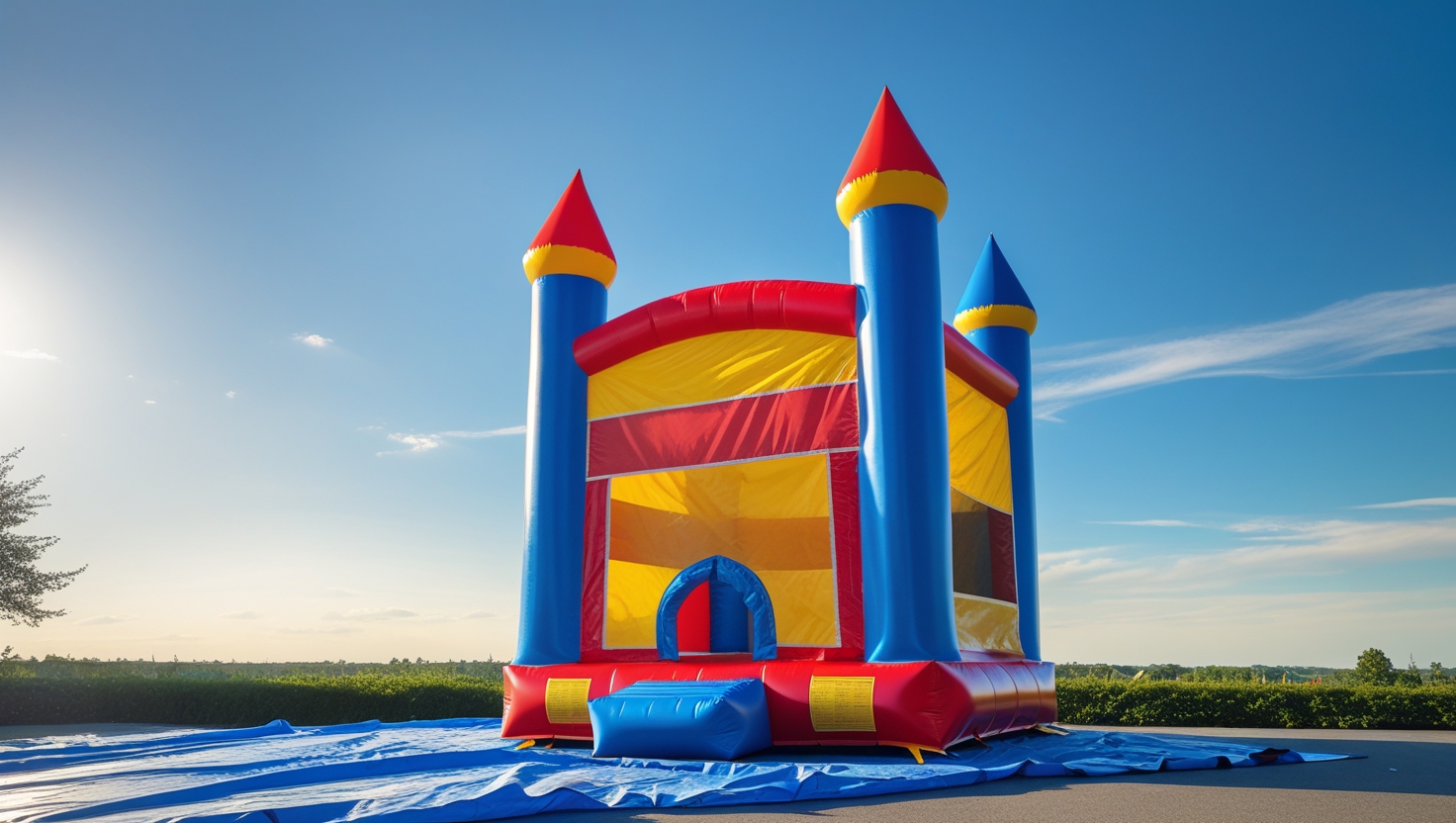
At the heart of every successful event, from vibrant birthday parties to bustling community fairs, lies the unmistakable joy radiating from a bouncy castle. These inflatable marvels, a staple of childhood delight and family fun, are significant investments for individuals and businesses alike. Consequently, the question of their repairability is not merely a technical inquiry but a crucial consideration for maintaining their operational lifespan and maximizing return on investment. We can confidently state that, with the right knowledge, materials, and techniques, bouncy castles are indeed highly repairable, often allowing for extensive restoration that extends their service life far beyond initial expectations. This comprehensive guide will delve into the intricacies of bouncy castle repair, providing invaluable insights for owners seeking to preserve their inflatable assets.
Understanding the Anatomy of Bouncy Castle Damage
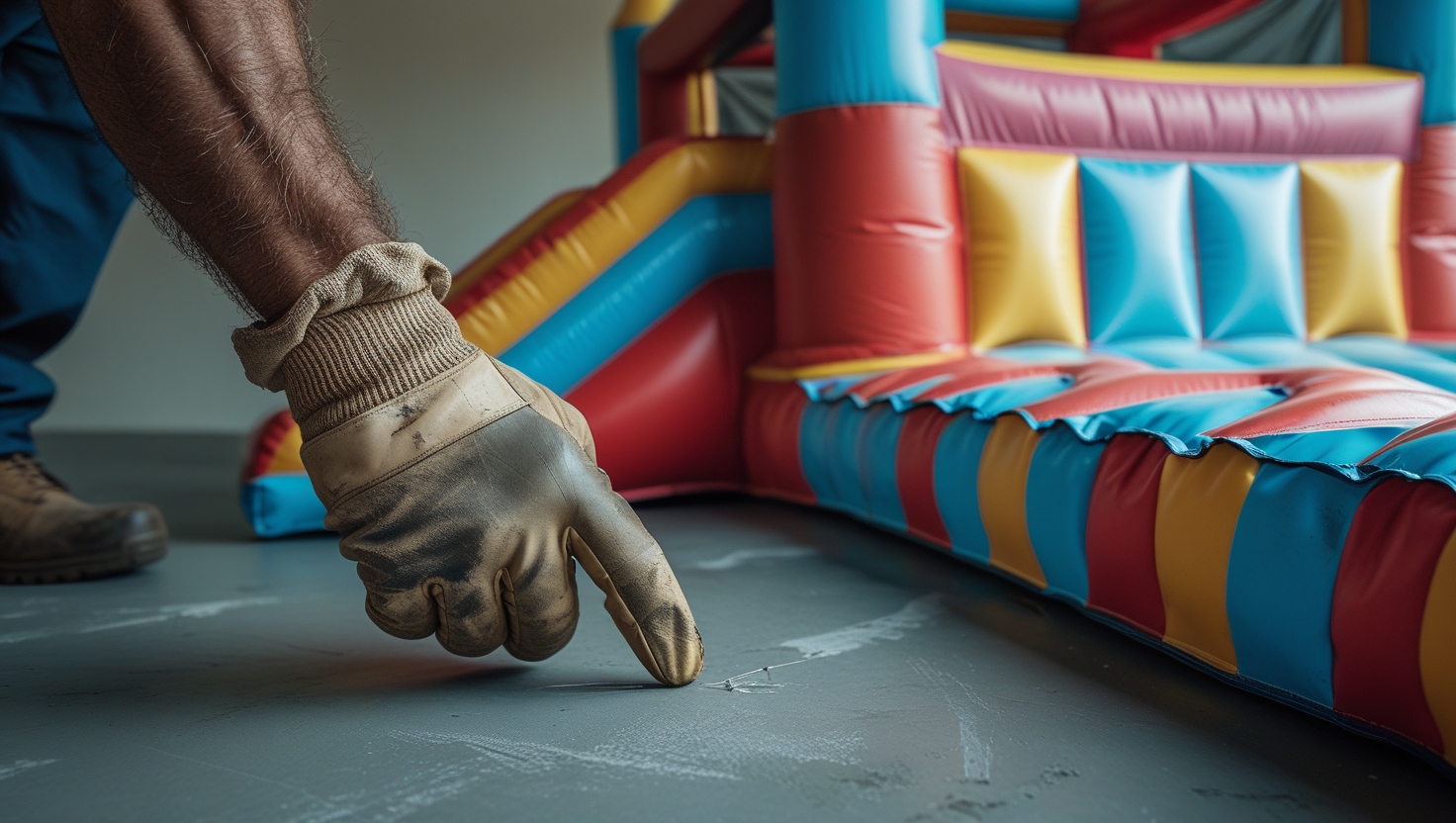
Before embarking on any repair endeavor, a fundamental understanding of the common types of damage encountered by bouncy castles is paramount. These inflatable structures, while robust, are subjected to considerable stress, both from enthusiastic play and environmental factors. Punctures and tears are by far the most frequent culprits, ranging from small pinholes caused by sharp objects to significant rips from abrasive surfaces or mishandling. Seam failures represent another critical area of concern. Over time, or due to manufacturing defects, the threads and bonding agents holding panels together can weaken, leading to air leakage and structural instability. Less common but equally debilitating are blower tube damage, which compromises the essential airflow, and deflation flap malfunctions, hindering proper inflation and deflation. Furthermore, prolonged exposure to UV radiation can degrade the PVC material, making it brittle and susceptible to cracking, while mildew and mold growth can not only mar the aesthetic appeal but also weaken the fabric itself. Identifying the precise nature and extent of the damage is the indispensable first step in any successful repair operation.
Essential Tools and Materials for Professional Bouncy Castle Repair
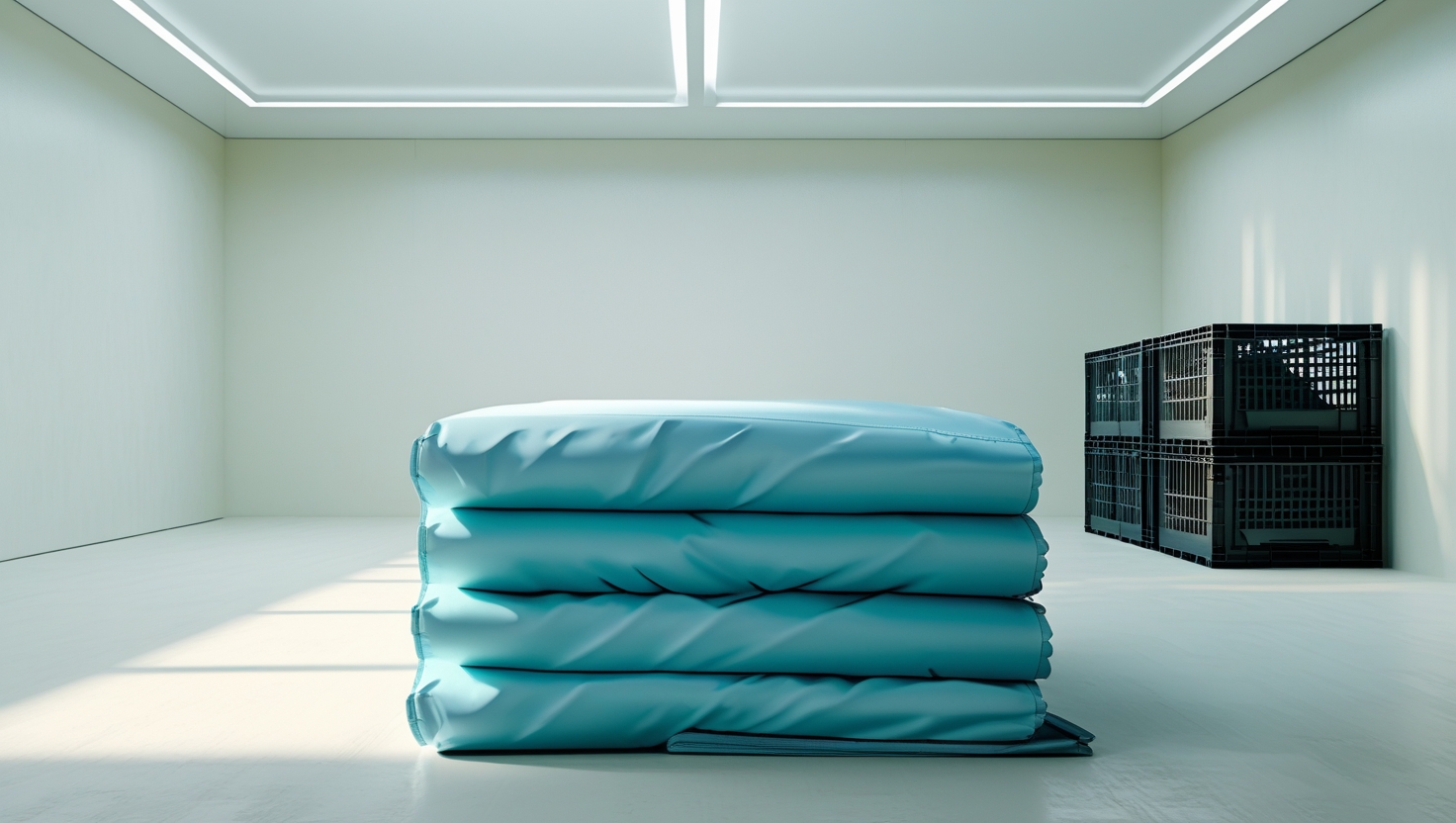
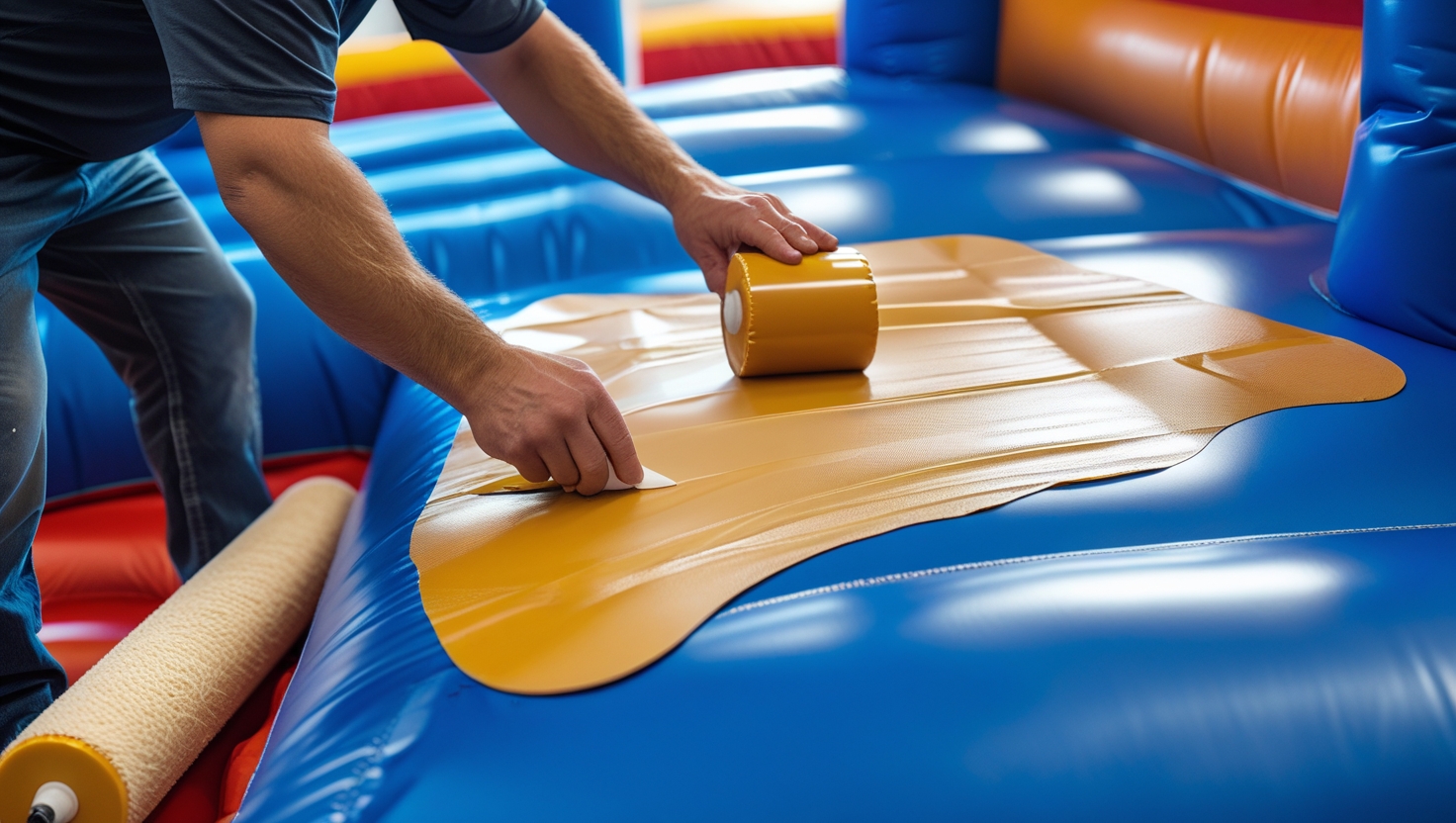
Effective bouncy castle repair demands a specialized toolkit and the use of high-quality materials specifically designed for heavy-duty inflatable structures. Industrial-grade PVC repair patches are non-negotiable; these patches must be cut from material identical or superior in strength and composition to the original bouncy castle fabric. A robust adhesive, typically a high-strength PVC solvent cement, is crucial for creating a permanent, airtight bond between the patch and the damaged area. We advocate for adhesives that remain flexible once cured, allowing the repaired section to move and flex with the rest of the inflatable. Application tools, such as rollers and spatulas, are essential for ensuring even distribution of the adhesive and firm pressure application during bonding, eliminating air bubbles that could compromise the repair's integrity. For more extensive repairs, particularly those involving seam reinforcement, a heavy-duty industrial sewing machine equipped with specialized needles and UV-resistant thread is indispensable. Additionally, cleaning solutions designed for PVC, along with abrasive pads or sandpaper, are necessary for preparing the surface, ensuring optimal adhesion. For precise cuts and clean edges, sharp utility knives or specialized fabric scissors are also vital. The meticulous selection and use of these tools and materials directly correlate with the longevity and reliability of the repair.
Step-by-Step Guide to Patching Minor Punctures and Tears
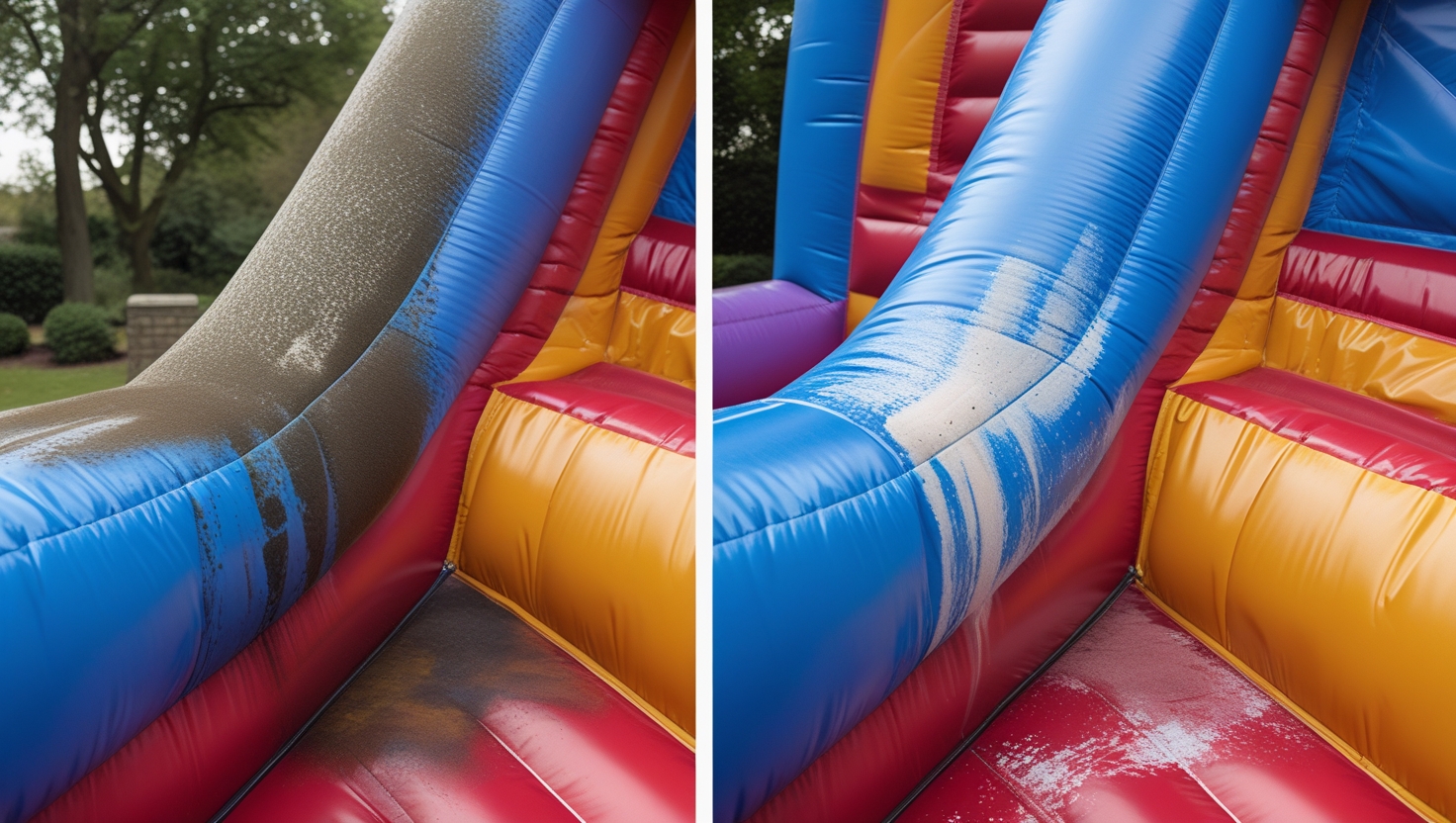
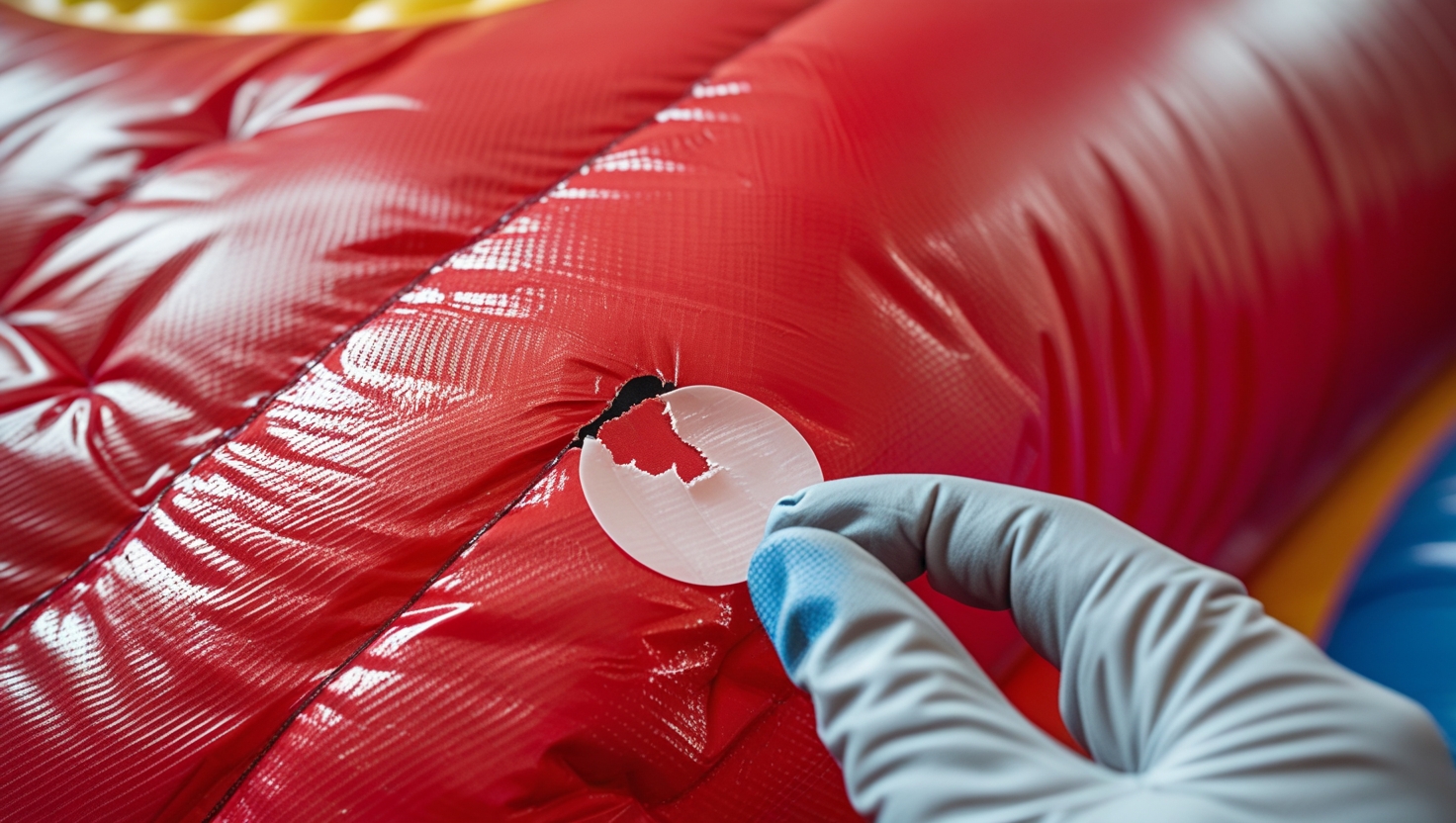
Repairing minor punctures and tears, while seemingly straightforward, requires meticulous attention to detail to ensure a durable and aesthetically pleasing result. The initial step involves thorough cleaning of the damaged area and its immediate surroundings. We recommend using a mild soap and water solution, followed by a specific PVC cleaner to remove all dirt, grease, and debris. Once clean, the area must be completely dry before proceeding. Next, a patch, typically cut in a rounded or oval shape to prevent corners from peeling, should be prepared. The patch should extend at least 2-3 inches beyond the perimeter of the damage in all directions, providing ample surface area for bonding. Applying a thin, even layer of the specialized PVC adhesive to both the back of the patch and the cleaned area of the bouncy castle is critical. After allowing the adhesive to become tacky as per manufacturer instructions, the patch is carefully applied, ensuring no air bubbles are trapped underneath. Firm, sustained pressure is then applied, often using a roller, to create a strong, uniform bond. The repaired area should then be left undisturbed for the recommended curing time, typically 24-48 hours, to allow the adhesive to reach its maximum strength. This methodical approach ensures an invisible, long-lasting repair that withstands the rigors of continued use.
Addressing More Complex Repairs: Seam Failures and Major Rips
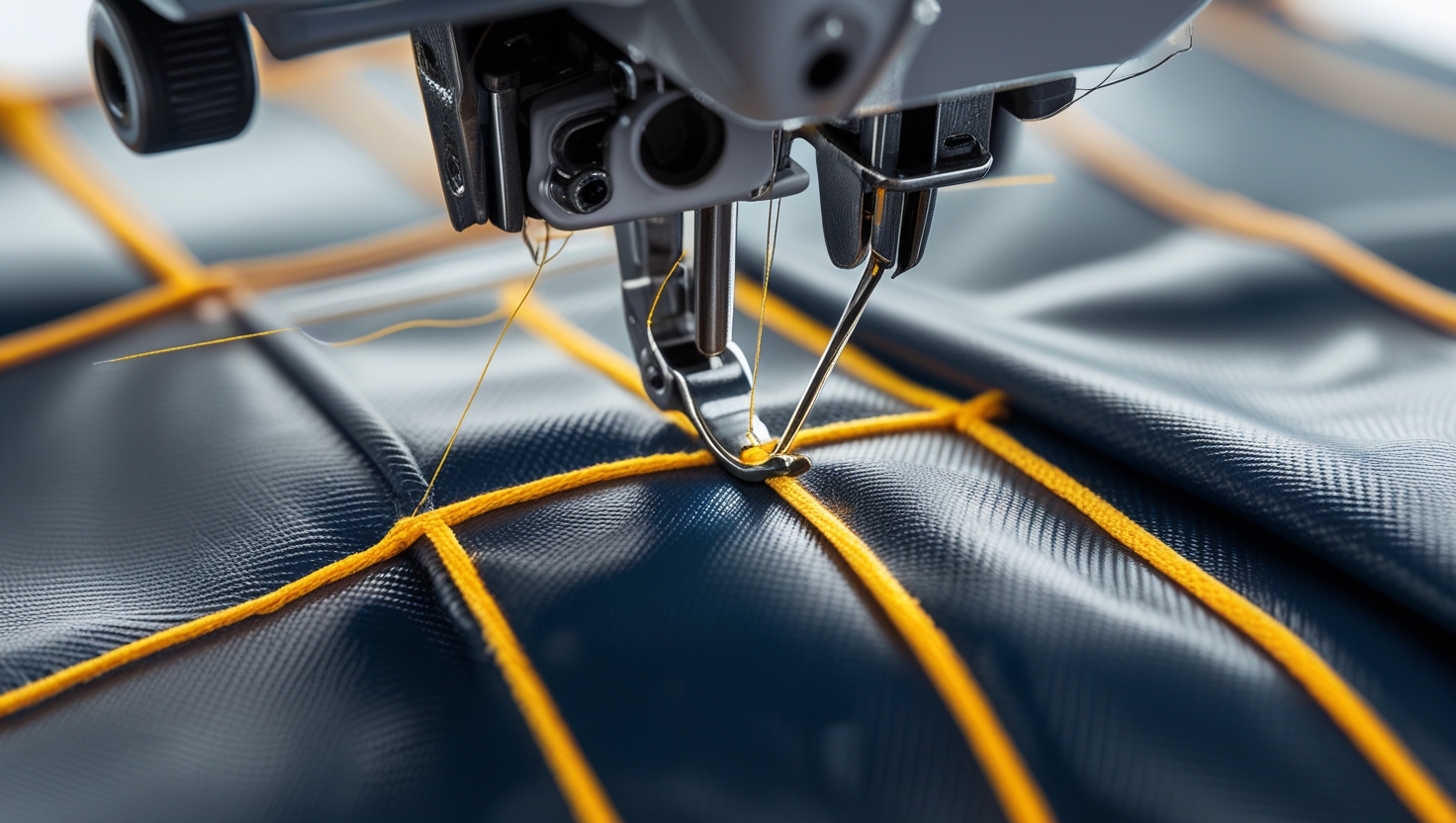
While minor punctures are common, seam failures and major rips demand a more sophisticated approach, often necessitating a combination of patching and reinforced stitching. When confronted with a blown seam, the primary objective is to recreate the original structural integrity of the joint. This typically involves carefully separating the existing seam (if it hasn't fully detached), cleaning both surfaces thoroughly, and then applying a strong PVC adhesive along the entire length of the compromised seam. Once the adhesive has cured sufficiently to hold the panels together, reinforcing stitches are applied using a heavy-duty industrial sewing machine. We utilize a double-stitch method with UV-resistant polyester thread to ensure maximum durability and resistance to further tearing. For large rips or panel replacements, the process becomes even more involved. This may necessitate cutting out the damaged section entirely and replacing it with a new, identically shaped piece of PVC material. The new panel is then meticulously glued into place using the same high-strength adhesive, overlapping the existing material by several inches. Following the adhesive bond, multiple rows of robust stitching are applied along all new seams, often incorporating an additional reinforcing strip of PVC on the underside to distribute stress more effectively. These complex repairs often require specialized equipment and a higher level of technical proficiency, emphasizing the value of professional repair services for significant damage.
Preventative Maintenance: Extending the Lifespan of Your Bouncy Castle
While effective repair strategies are crucial, the most proactive approach to bouncy castle longevity lies in rigorous preventative maintenance. Regular cleaning is fundamental; we advocate for thorough cleaning after every use to remove dirt, debris, and potential sources of mold and mildew. Proper drying is equally critical. Storing a bouncy castle even slightly damp can lead to irreversible damage from mildew, which not only smells unpleasant but also degrades the fabric. We emphasize the importance of complete air drying before folding and storing. Strategic placement is another key preventative measure. Inflating bouncy castles on soft, clean surfaces, free from sharp objects, significantly reduces the risk of punctures. Using groundsheets or tarpaulins underneath provides an additional layer of protection. Furthermore, strict adherence to manufacturer guidelines regarding weight limits and supervision ratios is non-negotiable. Overloading or unsupervised play dramatically increases the likelihood of damage. Regular inspections for small signs of wear and tear, such as minor scuffs or early signs of seam stress, allow for timely, minor repairs before they escalate into major problems. Protecting the bouncy castle from prolonged direct sunlight when not in use, by storing it in a shaded area or using a protective cover, mitigates UV degradation. Implementing these preventative measures not only minimizes the need for extensive repairs but also significantly extends the operational life and aesthetic appeal of these valuable assets.
When to Seek Professional Bouncy Castle Repair Services
While a dedicated owner can competently handle minor repairs, there are specific scenarios where entrusting your bouncy castle to professional repair services is not just advisable but often essential. Extensive damage, such as large rips exceeding a foot in length, multiple blown seams, or significant structural compromises, typically falls outside the scope of DIY repair capabilities. Professionals possess the specialized industrial sewing machines, heavy-duty heat-welding equipment, and large-scale patching materials necessary for these complex operations. Furthermore, the expertise required to accurately assess the extent of hidden damage, such as internal baffling issues, and to execute repairs that maintain the inflatable's structural integrity and safety standards, is often only found with experienced professionals. Damage to critical components, such as the blower tubes or deflation zippers, often requires specific replacement parts and intricate reattachment techniques that are best left to experts. Additionally, when the safety certification of the bouncy castle is at stake, professional repair is paramount to ensure compliance with industry standards and regulations. Attempting complex repairs without the proper tools or knowledge can not only lead to further damage but also compromise the safety of users. Investing in professional repair for significant issues ensures the bouncy castle is returned to optimal, safe, and legally compliant condition, ultimately protecting both your investment and the well-being of its users.
The Longevity and Value of a Well-Maintained and Repaired Bouncy Castle
The commitment to regular maintenance and timely, effective repairs profoundly impacts the overall longevity and intrinsic value of a bouncy castle. A well-cared-for inflatable, even one that has undergone several repairs, can provide years, if not decades, of joyful service. This extended lifespan translates directly into a significantly higher return on investment for commercial operators, as the cost per use diminishes considerably over time. For private owners, it means sustained enjoyment and reduced need for premature replacement. Furthermore, a bouncy castle that is meticulously maintained and professionally repaired retains a higher resale value. Prospective buyers are more likely to invest in an inflatable that visibly demonstrates care and has a clear history of proper upkeep and expert repair. Conversely, neglected bouncy castles with unrepaired damage not only pose safety risks but also rapidly depreciate in value, becoming a liability rather than an asset. The meticulous attention to repair and maintenance ultimately transforms a bouncy castle from a temporary plaything into a durable, long-term investment, underscoring the profound importance of proactive care in maximizing its utility and preserving its inherent worth.