All you want to know about us
Click here to share this article
Bouncy castles bring joy and entertainment to any event, but what happens when the weather takes an unexpected turn? The question of whether bouncy castles can be used in the rain is a common concern for event planners and parents alike. In this comprehensive guide, we explore the critical factors that determine the safety, usability, and precautions necessary when using bouncy castles during wet conditions.
Understanding the Risks of Using Bouncy Castles in the Rain
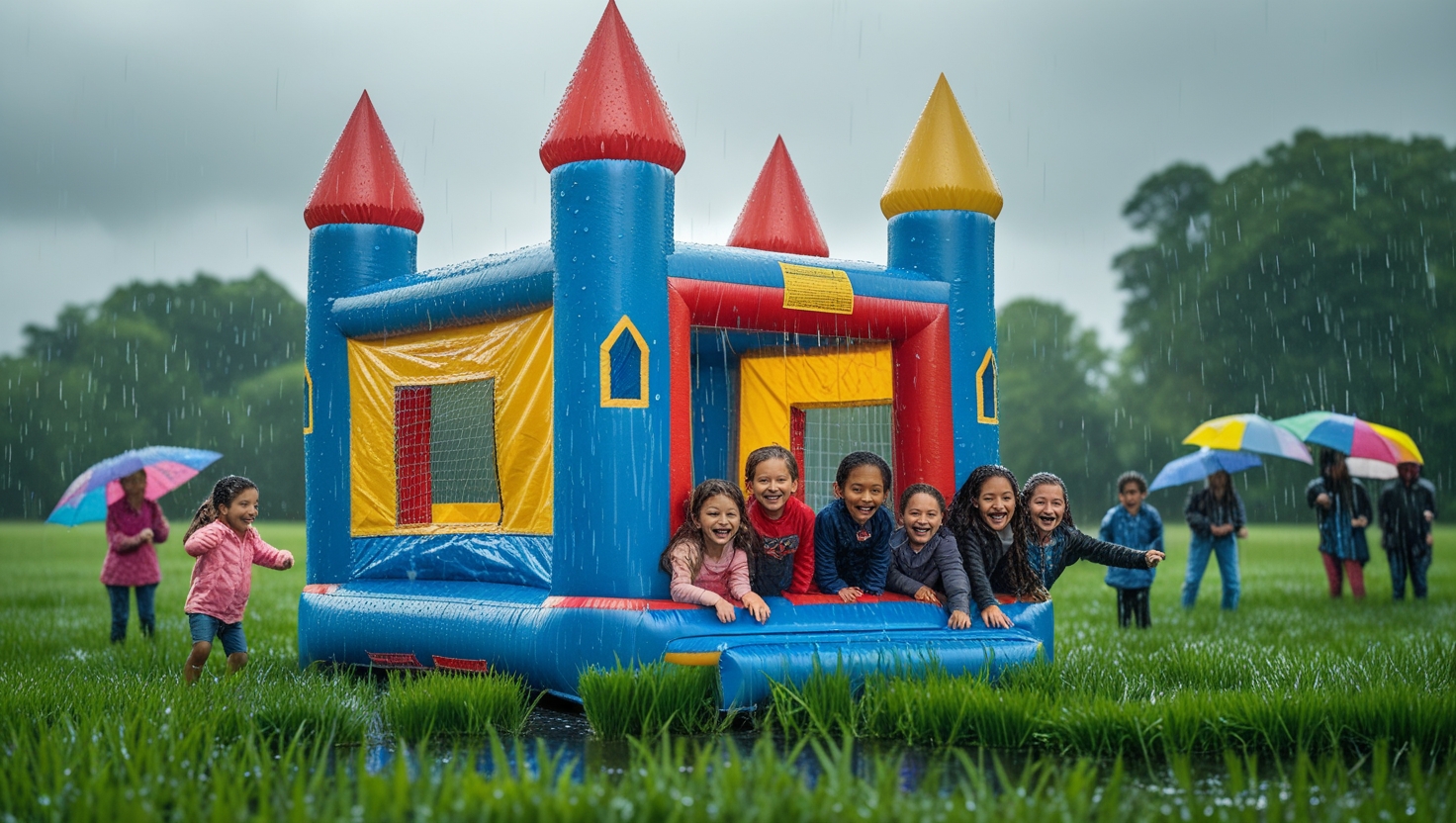
Rain introduces a range of potential hazards when it comes to inflatable equipment. The following risks should be carefully considered:
Slippery Surfaces:
Water can make the surface of a bouncy castle extremely slippery, increasing the risk of slips and falls. This can lead to minor injuries or, in some cases, serious accidents.
Electrical Components:
Many bouncy castles rely on electric blowers to maintain inflation. Exposing these blowers to water can create electrical hazards, including shocks or short circuits.
Structural Stability:
Excessive water accumulation can weigh down the inflatable structure, potentially causing instability or uneven surfaces.
Visibility Issues:
Rain can reduce visibility, making it harder for supervisors to monitor children’s activity inside the bouncy castle.

Manufacturer Guidelines: Always Follow Instructions
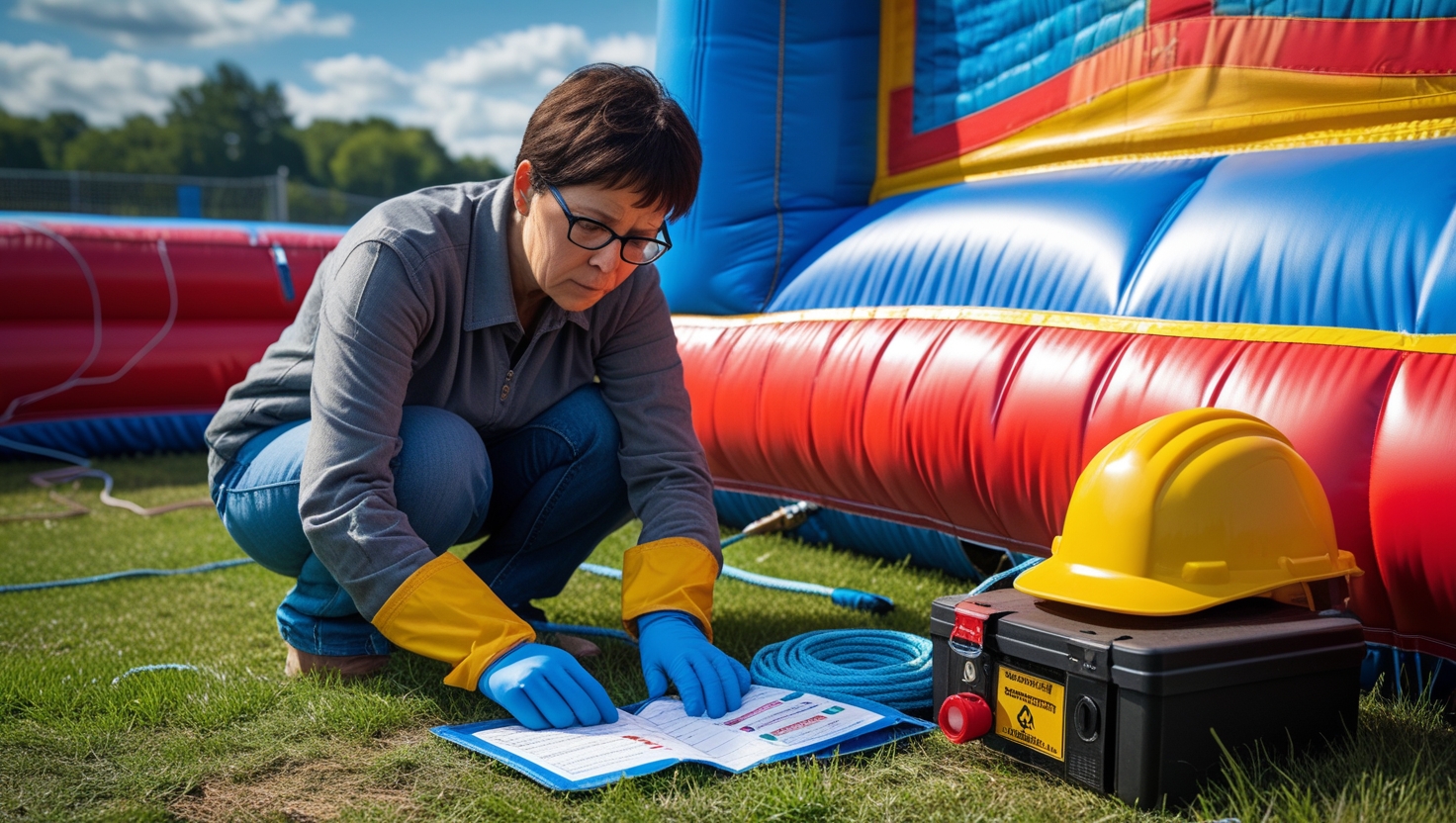
Manufacturers provide specific instructions on how their products should be used in varying weather conditions. These guidelines typically indicate whether a bouncy castle is designed for outdoor use during light rain or if it should be deflated and stored in adverse weather. Ignoring these instructions can void warranties and compromise safety.

Precautions for Using Bouncy Castles in Light Rain
If you decide to use a bouncy castle during light rain, consider these essential precautions to mitigate risks:
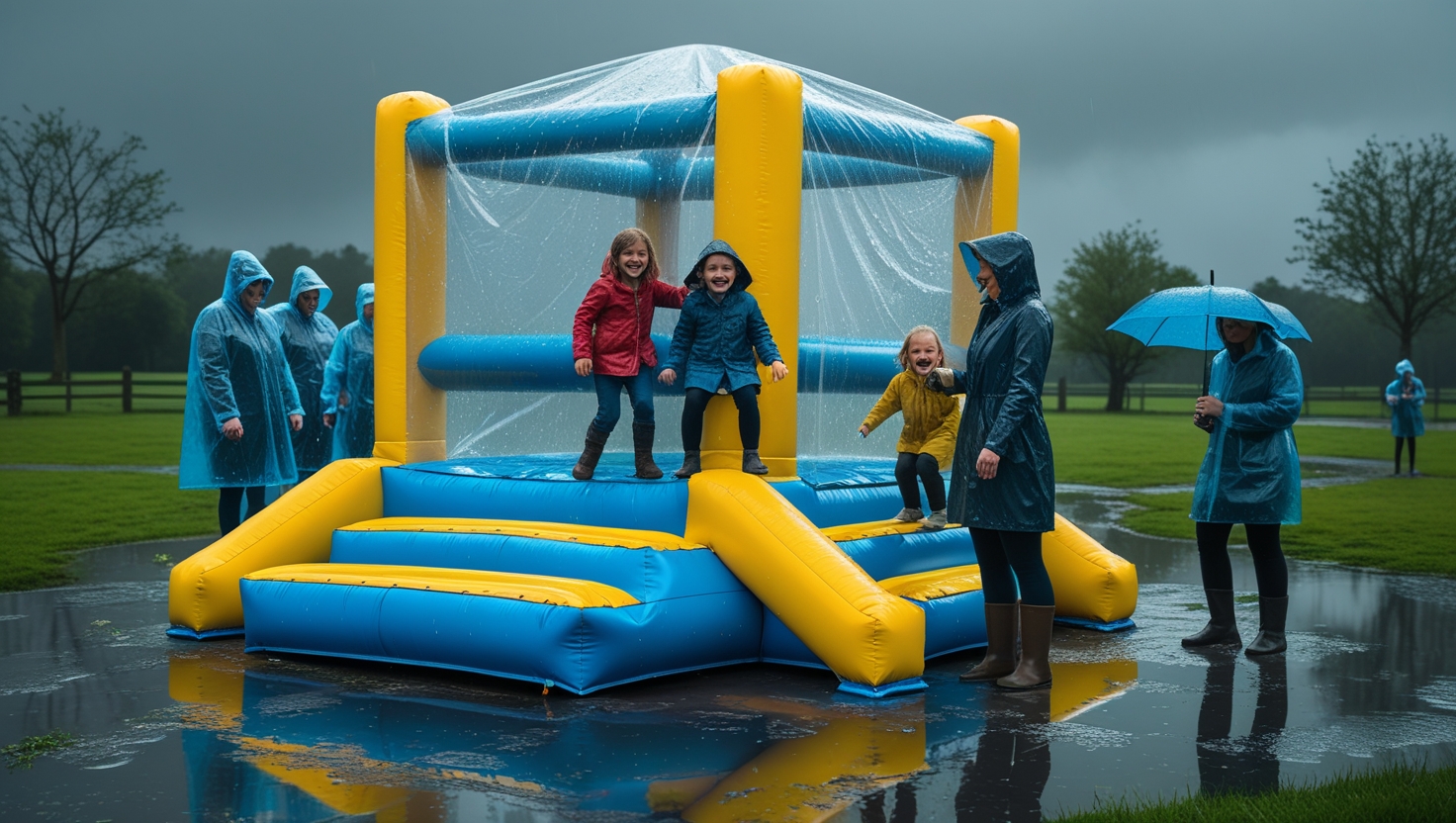
Use a Waterproof Cover:
Place a waterproof sheet or tarpaulin over the bouncy castle to keep the surface as dry as possible.
Secure the Inflatable Properly:
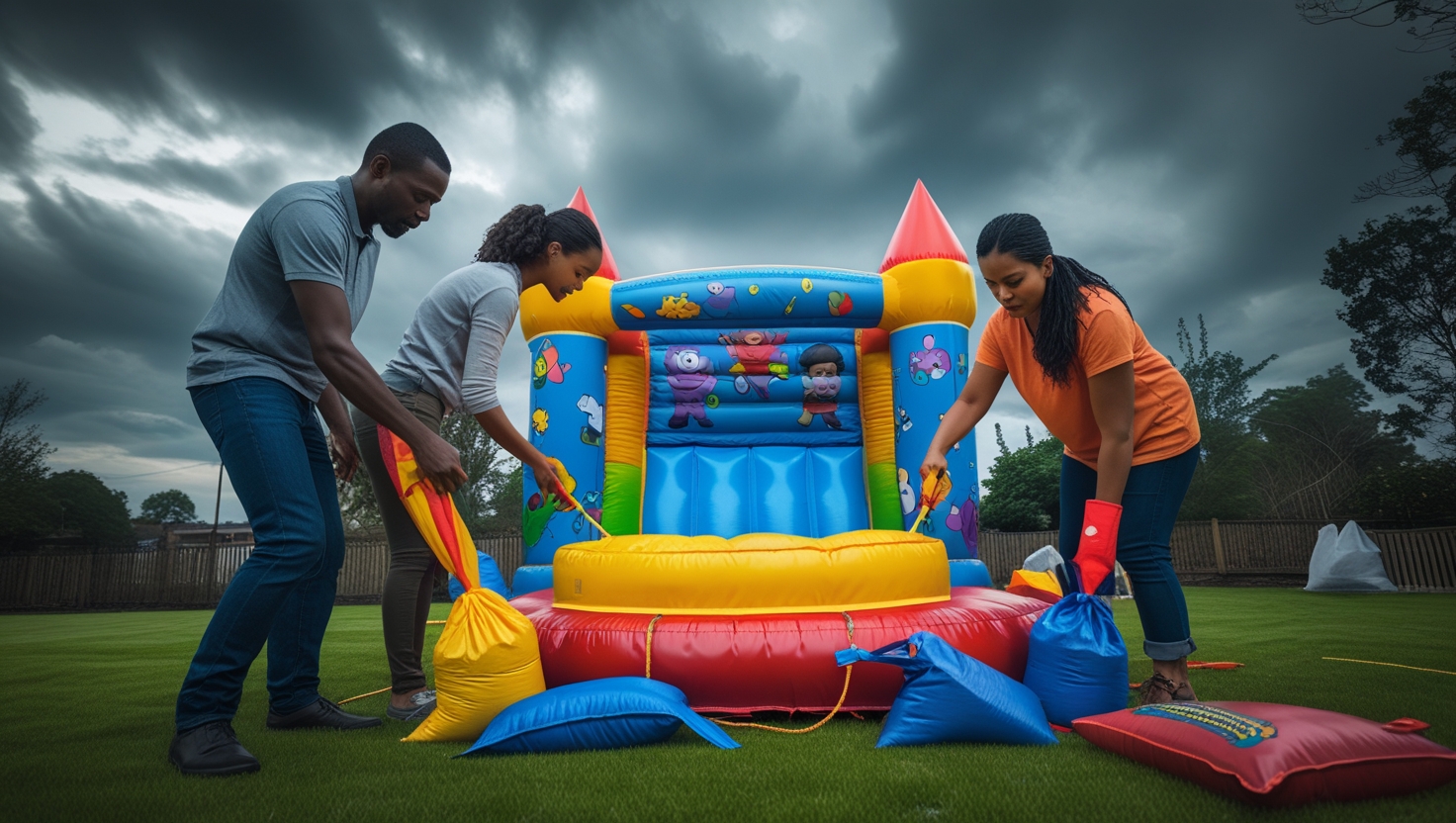
Ensure the bouncy castle is anchored securely using stakes, sandbags, or other stabilizing equipment. This prevents movement caused by wind or uneven ground conditions.
Supervise Closely:
Designate adults to monitor activity inside the bouncy castle, ensuring that children follow safety rules and avoid risky behavior.
Inspect Before Use:
Check the inflatable for signs of water pooling or leaks. Dry any wet areas before allowing children to play.
When to Avoid Using Bouncy Castles in the Rain
Certain weather conditions make the use of bouncy castles unsafe, regardless of precautions:
Heavy Rain:
In heavy rain, visibility is reduced, and water accumulation can cause structural instability. The risk of slips and falls also increases significantly.
Strong Winds:
Wind speeds exceeding 20-25 mph can make it dangerous to operate inflatable equipment, as the structure could become airborne or collapse.
Electrical Storms:
Electrical blowers should never be used during thunderstorms, as they pose a significant risk of shock.
In such conditions, it is always better to deflate the inflatable and wait for better weather.
Alternatives for Rainy Days
Rain doesn’t have to ruin the fun. Consider these alternatives to bouncy castles for wet weather:
Indoor Play Areas:
Renting an indoor venue or setting up a smaller inflatable in a covered space can provide a safe and dry environment.
Waterproof Activities:
Games such as scavenger hunts or crafts can keep children entertained without the risk of slipping or falling.
Interactive Games:
Board games, video games, or storytelling sessions are excellent ways to keep the party spirit alive indoors.

Best Practices for Event Planning in Unpredictable Weather
Planning an event with a bouncy castle requires contingency measures to address unexpected weather changes. Here are some best practices:
Monitor Weather Forecasts:
Stay informed about the weather conditions leading up to the event. Use reliable forecasting apps or websites to make informed decisions.
Have a Backup Plan:
Always have an alternative activity or venue prepared in case outdoor activities are not feasible.
Communicate with the Rental Company:
Discuss the rental company’s policies regarding cancellations or rescheduling due to weather. Some companies offer flexible terms for unforeseen circumstances.
Invest in Weather-Resistant Equipment:
Some bouncy castles are designed with weather-resistant materials and additional safety features, making them suitable for light rain.
How to Dry and Store a Wet Bouncy Castle
If your bouncy castle becomes wet, proper drying and storage are crucial to prevent damage and maintain its lifespan:
Deflate and Drain Water:
Turn off the blower and allow any accumulated water to drain from the surface.
Wipe Down Surfaces:
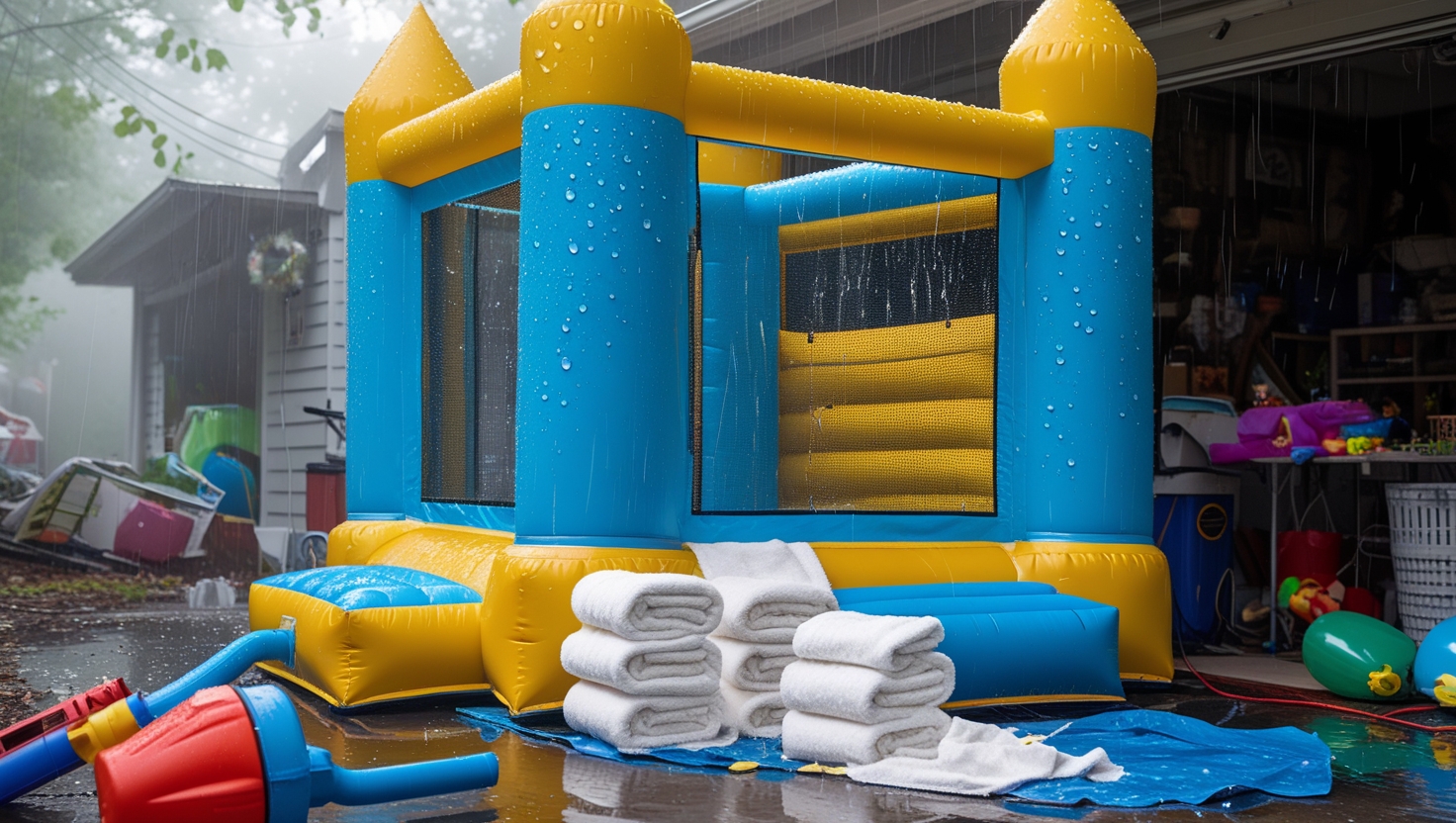
Use absorbent towels or a mop to remove excess water. Focus on seams and crevices where water might collect.
Air Dry Thoroughly:
Inflate the bouncy castle partially and leave it in a dry, well-ventilated area until completely dry. Avoid storing while damp, as this can lead to mold and mildew growth.
Inspect for Damage:
Check for any wear and tear caused by wet conditions. Address repairs promptly to avoid further deterioration.

Conclusion: Prioritize Safety and Enjoyment
While bouncy castles can provide hours of entertainment, safety must always come first, especially in unpredictable weather. By understanding the risks, following manufacturer guidelines, and implementing the recommended precautions, you can make informed decisions about using bouncy castles in the rain. When in doubt, err on the side of caution and consider alternative activities to ensure a fun and safe event for everyone involved.