All you want to know about us
Click here to share this article
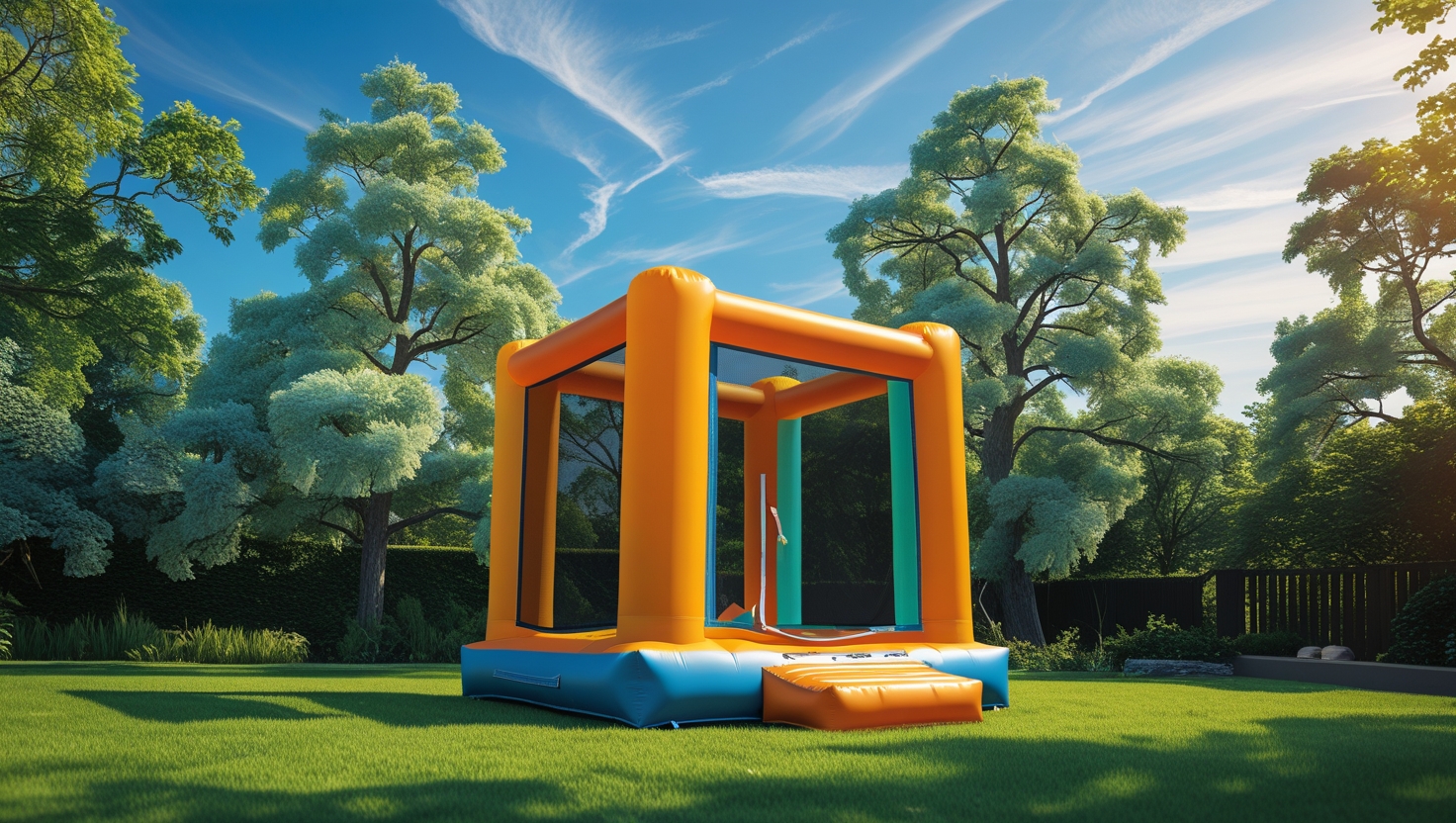
Bouncy castles are a staple of children’s parties, festivals, and events, offering hours of fun and entertainment. However, the safety of these inflatable attractions has become a pressing concern. The question arises: can bouncy castles blow away? The answer is yes, and understanding the risks involved is crucial to ensuring the safety of everyone using these inflatables. In this article, we delve into the circumstances under which bouncy castles may blow away and outline preventive measures to mitigate the risks.

What Causes Bouncy Castles to Blow Away?
Several factors contribute to the instability of bouncy castles, potentially leading to dangerous situations. Below are the primary causes:
1. High Winds
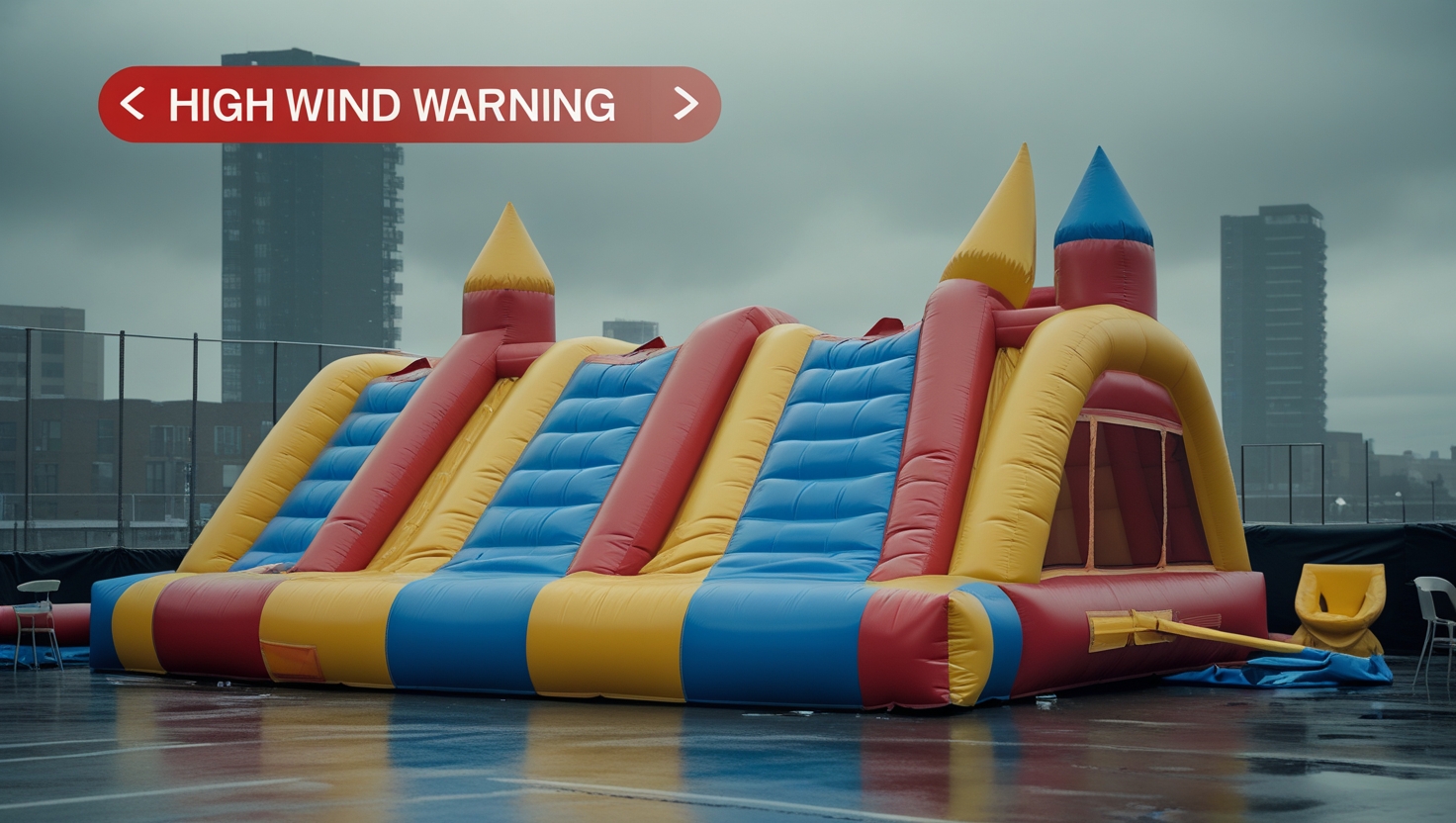
High winds are the most common reason for bouncy castles becoming airborne. Wind speeds exceeding 20-25 mph can generate enough force to lift an improperly secured inflatable. Weather conditions can change rapidly, and strong gusts often catch operators and users off guard.
2. Poor Anchoring
A bouncy castle must be firmly anchored to the ground to prevent movement. Weak or insufficient anchoring, such as using stakes that are too short or not suited for the terrain, can result in the inflatable becoming unstable and blowing away.
3. Lightweight Construction
While bouncy castles are designed to be portable, their lightweight materials make them susceptible to being lifted by strong winds. Combined with their large surface area, these inflatables act like sails when exposed to gusts.
4. Neglect of Safety Guidelines
Ignoring manufacturer instructions and local safety regulations increases the likelihood of accidents. For instance, overcrowding the inflatable or setting it up on uneven ground can compromise its stability.
Real-Life Incidents Highlighting the Dangers
Numerous incidents worldwide have demonstrated the dangers of unsecured or improperly managed bouncy castles. In some cases, bouncy castles have been lifted several feet into the air, resulting in severe injuries or even fatalities. These tragic events underscore the importance of adhering to safety protocols.

Key Safety Measures to Prevent Bouncy Castles from Blowing Away
1. Monitor Weather Conditions
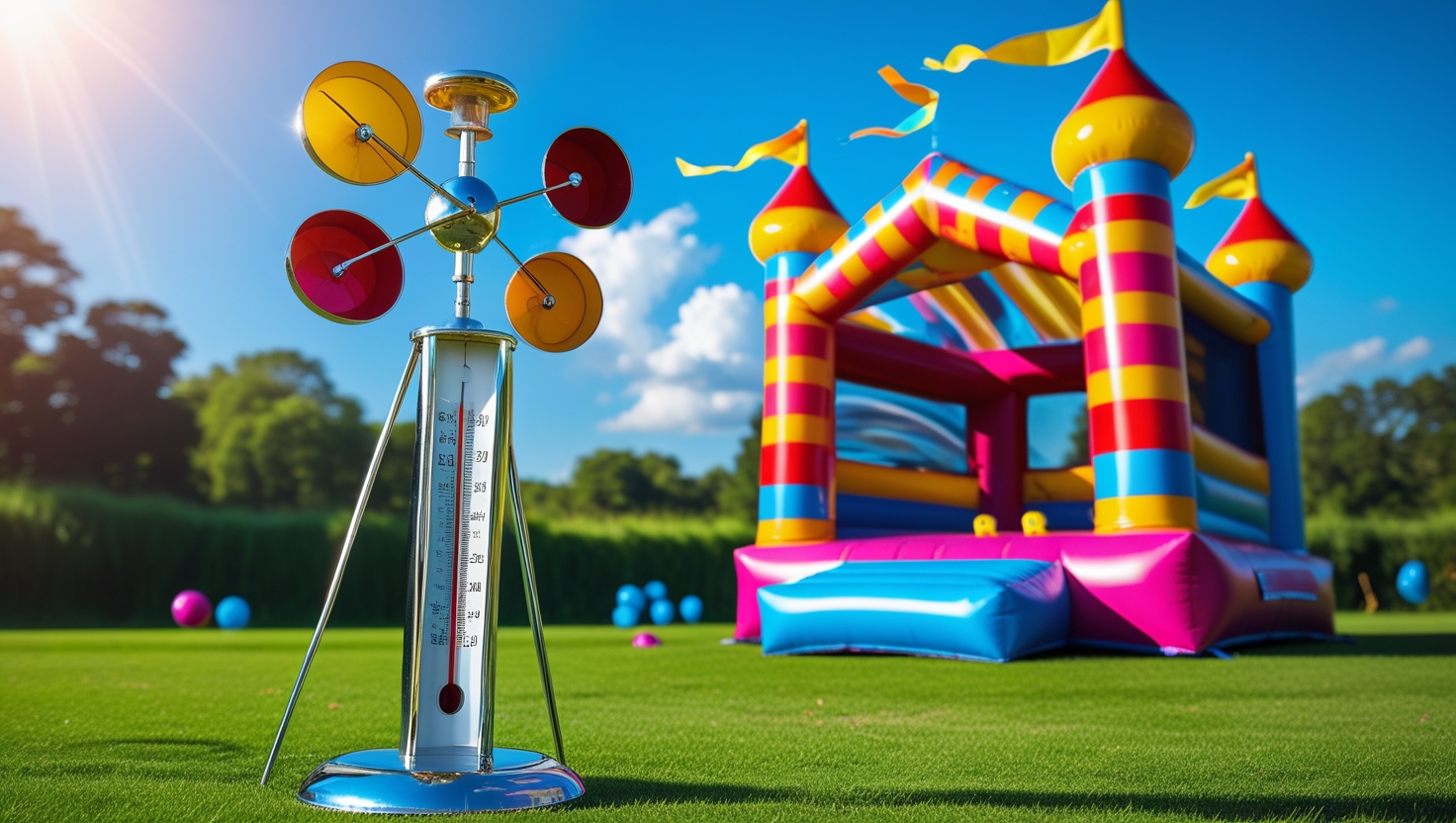
Before setting up a bouncy castle, check the weather forecast for strong winds or sudden changes in conditions. Wind speeds should not exceed the manufacturer’s recommended maximum, typically around 20 mph. Use an anemometer to measure wind speeds during the event.
2. Properly Anchor the Inflatable
Secure anchoring is essential to keep a bouncy castle in place. Follow these guidelines:
Use heavy-duty metal stakes (at least 16 inches long) for grassy surfaces.
For concrete or asphalt, employ weighted sandbags or water-filled weights to anchor the inflatable.
Attach the anchoring points to designated loops on the bouncy castle and ensure they are evenly distributed.
3. Conduct Regular Inspections
Inspect the inflatable and its anchoring system frequently throughout the event. Check for loose stakes, frayed ropes, or any signs of wear and tear that could compromise safety.
4. Limit Usage Based on Weight Capacity
Overcrowding a bouncy castle increases the risk of tipping or destabilization. Follow the manufacturer’s weight and occupancy limits to maintain safety.
5. Ensure Supervision
Always have a trained supervisor present to oversee the use of the bouncy castle. Supervisors should enforce rules, monitor weather changes, and respond to emergencies promptly.
Best Practices for Renting or Operating Bouncy Castles
1. Choose Reputable Rental Companies
When renting a bouncy castle, select a company with a strong safety record. Verify that they comply with safety regulations, provide proper anchoring equipment, and offer setup and takedown services.
2. Prioritize Professional Installation
Hiring professionals to install the inflatable ensures that it is anchored correctly and complies with all safety requirements. Professionals are also more likely to identify potential hazards during setup.
3. Conduct a Safety Briefing
Before allowing children or adults to use the bouncy castle, conduct a short safety briefing. Highlight rules such as no somersaults, no sharp objects, and no climbing on the sides.
Legal and Insurance Considerations
When organizing an event with bouncy castles, it is essential to understand your legal obligations and insurance coverage. If an accident occurs, liability could fall on the event organizer, rental company, or property owner. To protect yourself:
Ensure the rental company has valid insurance.
Obtain liability insurance for your event.
Keep detailed records of safety checks and weather monitoring.

Alternatives to Traditional Bouncy Castles
If weather conditions make traditional bouncy castles unsafe, consider alternatives such as:
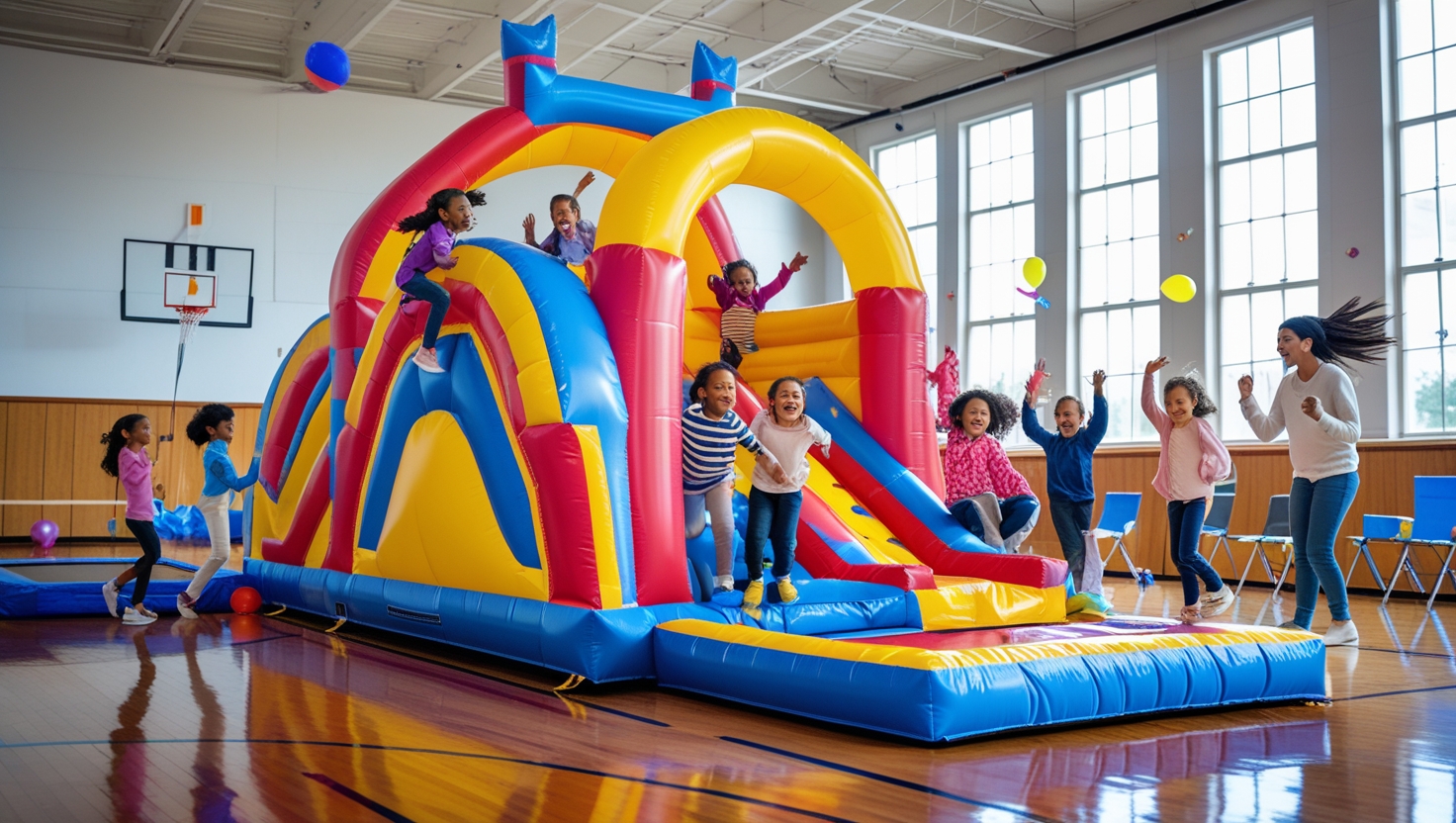
Indoor Inflatable Parks: These facilities eliminate weather-related risks and offer supervised environments.
Smaller, Weather-Resistant Inflatables: Compact options with reinforced anchoring are less likely to be affected by wind.

Conclusion
Bouncy castles can indeed blow away, but this risk is entirely preventable with proper precautions. By understanding the causes of instability and adhering to strict safety measures, we can ensure that these inflatables remain a source of joy rather than a cause for concern. Whether you’re an event organizer, a parent, or a rental company, prioritizing safety will allow everyone to enjoy the fun without fear.