All you want to know about us
Click here to share this article
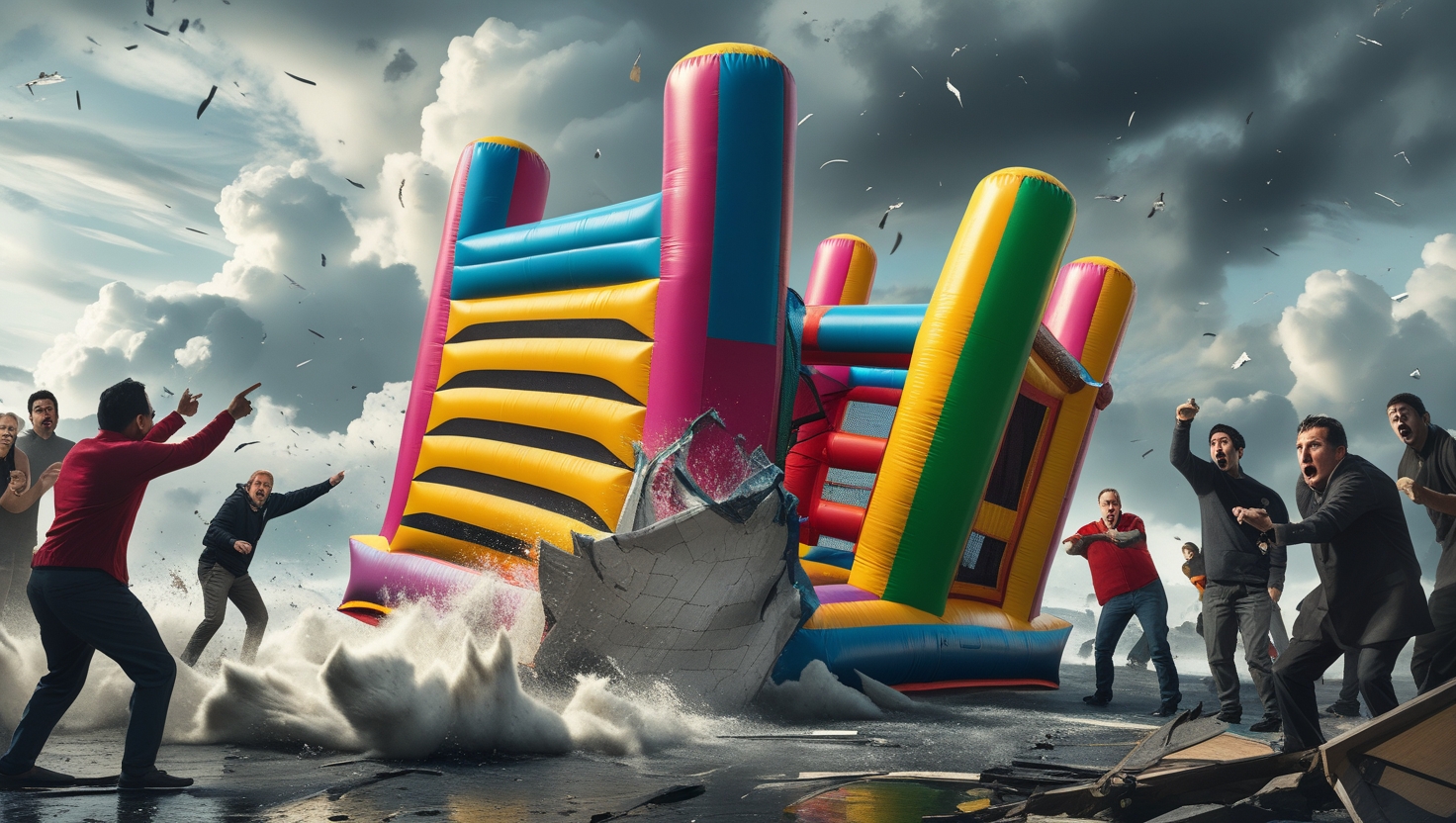
Bouncy castles, also known as inflatable bounce houses, are a source of joy for children and families during parties and outdoor events. However, the question arises: can bouncy castles fly away? The short answer is yes, under certain conditions, bouncy castles can become airborne, posing a significant risk to participants and bystanders. In this comprehensive guide, we explore the factors that contribute to this phenomenon and outline safety precautions to prevent accidents.
What Causes Bouncy Castles to Fly Away?
1. Strong Wind Conditions
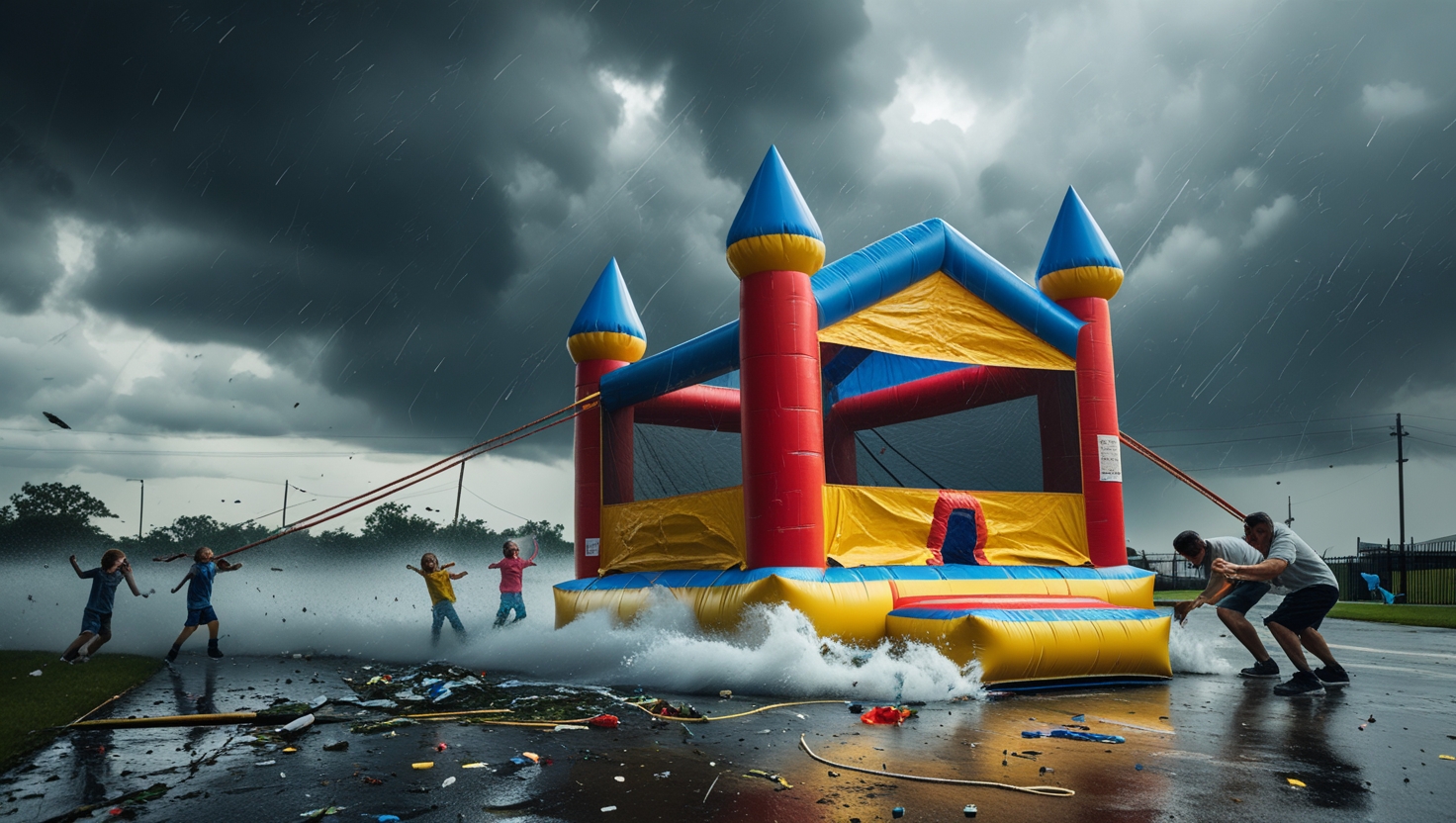
Bouncy castles are designed to be lightweight and portable, which makes them highly susceptible to wind. Gusts of wind exceeding 20 mph can lift an improperly secured inflatable off the ground. Stronger winds, particularly during storms or high-wind advisories, can turn a bouncy castle into a dangerous projectile.
2. Inadequate Anchoring
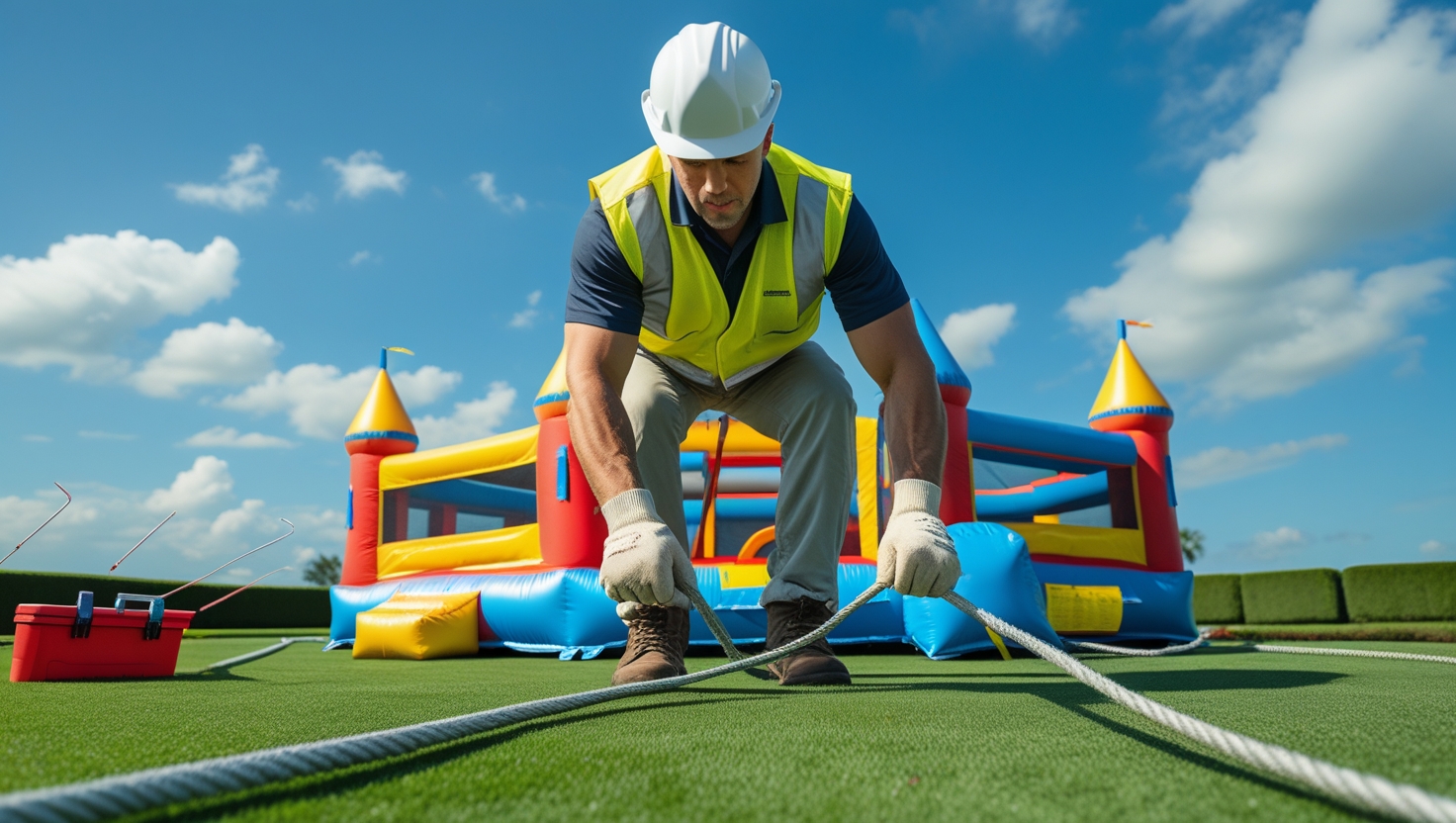
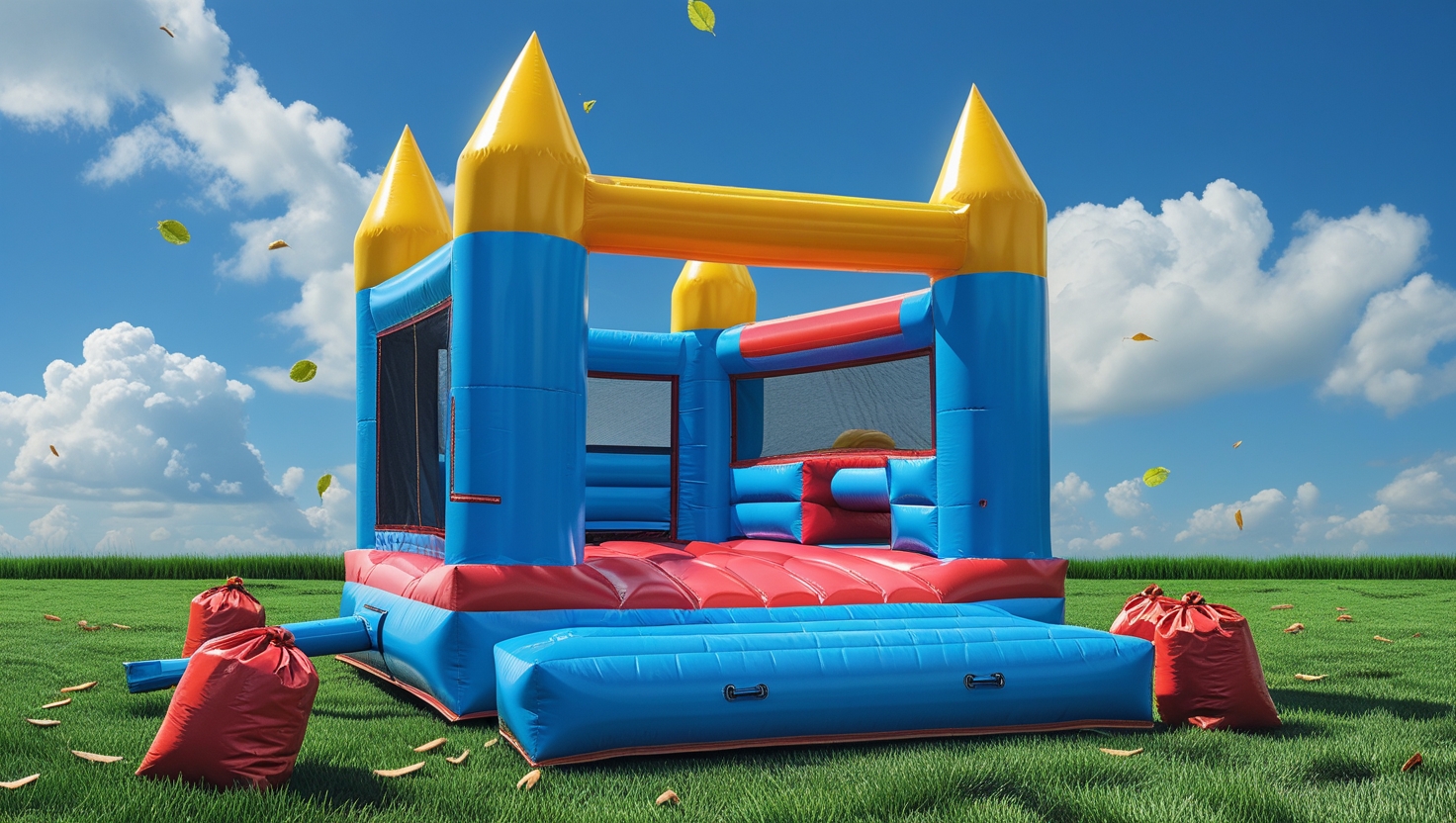
One of the leading causes of bouncy castles becoming airborne is insufficient anchoring. Most inflatables come with anchoring kits that include stakes or sandbags to secure them to the ground. If these anchors are not properly installed or if unsuitable equipment is used, the structure can detach and lift off.
3. Poor Ground Surface
Setting up a bouncy castle on uneven or unsuitable surfaces, such as loose sand or gravel, can compromise its stability. A firm, level ground is essential to keep the inflatable secure.
4. Overinflation or Underinflation
An overinflated bouncy castle can create excessive internal pressure, making it more buoyant and prone to movement. Similarly, underinflation can weaken the structure, reducing the effectiveness of anchoring systems.
Real-Life Incidents of Flying Bouncy Castles
Tragically, there have been several incidents worldwide where bouncy castles have flown away, leading to injuries and even fatalities. For instance:
In 2015, a bouncy castle in Essex, UK, was carried away by strong winds, resulting in the death of a young child.
In 2019, an inflatable in China was lifted into the air, causing multiple injuries.
In 2021, a bouncy castle in Australia was swept up during a school event, leading to several fatalities.
These cases underscore the importance of adhering to strict safety guidelines to prevent such accidents.
Essential Safety Measures for Bouncy Castle Use
1. Check the Weather Forecast
Before setting up a bouncy castle, always check the local weather conditions. Avoid using inflatables during windy or stormy weather. Winds exceeding 15-20 mph are considered unsafe for outdoor inflatables.
2. Use Proper Anchoring Equipment
Heavy-duty stakes: Secure the castle with stakes at least 18 inches long, ensuring they are driven deeply into the ground.
Sandbags or water weights: For indoor or hard surfaces, use adequate weights to anchor the inflatable.
Ensure all anchor points are firmly attached and inspected for wear or damage.
3. Choose an Appropriate Setup Location
Opt for a flat, level surface free of sharp objects or debris.
Avoid areas prone to high winds, such as open fields or hilltops.
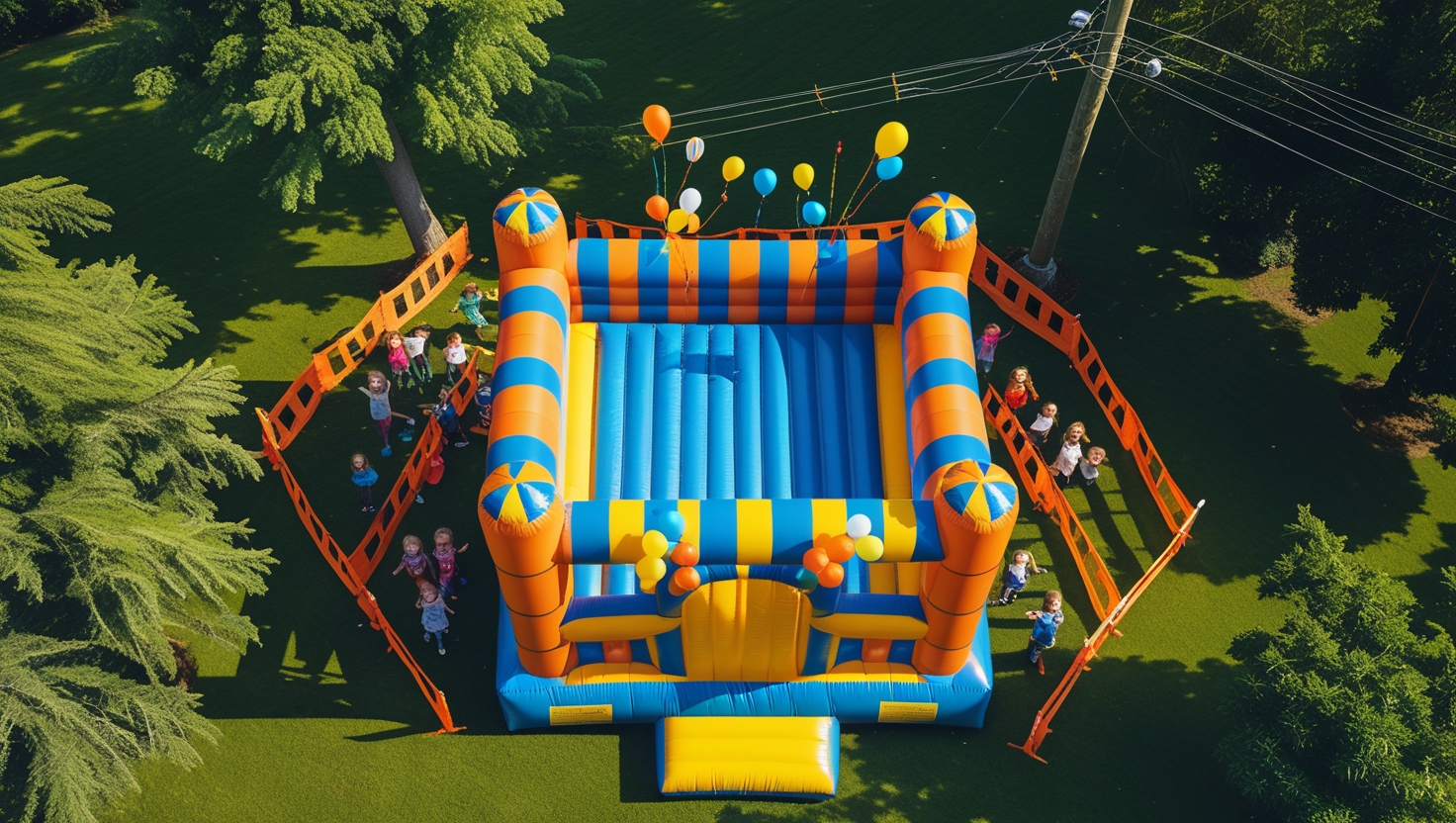
Maintain a safe distance from trees, fences, and power lines.
4. Supervise the Inflatable at All Times
A responsible adult should always oversee the bouncy castle’s operation. Monitor the number of participants, and ensure that children of similar sizes use the inflatable simultaneously to prevent tipping.
5. Adhere to Manufacturer Guidelines
Follow the instructions provided by the manufacturer, including recommended weight limits, inflation pressure, and anchoring techniques. Regularly inspect the structure for wear and tear.
6. Employ Professional Installation Services
Hiring certified professionals to set up and monitor the bouncy castle can minimize risks. These experts are trained to handle safety protocols and emergency situations effectively.
The Role of Regulations in Ensuring Safety
Many countries have implemented safety regulations and standards for inflatable structures:
In the UK, operators must comply with the British Standard BS EN 14960, which outlines safety requirements for inflatable play equipment.
In the US, the Consumer Product Safety Commission (CPSC) provides guidelines for safe inflatable use.
Event organizers should ensure that rental companies follow these standards and provide proof of inspection and liability insurance.
What to Do If a Bouncy Castle Becomes Airborne
In the rare event that a bouncy castle starts to lift off:
Evacuate the Area Immediately: Remove all participants and bystanders from the vicinity.
Do Not Attempt to Stop It Manually: A flying inflatable can cause serious injuries to those trying to control it.
Alert Emergency Services: Inform local authorities if the bouncy castle poses a threat to public safety.
Conclusion
While bouncy castles bring immense joy, they also come with inherent risks. Strong winds, inadequate anchoring, and poor setup practices are leading causes of airborne incidents. By adhering to strict safety measures and staying informed about potential hazards, we can ensure that bouncy castles remain a fun and safe addition to any event.
Taking proactive steps, such as checking weather forecasts, using proper anchoring equipment, and following manufacturer guidelines, can significantly reduce the risk of accidents. Let us prioritize safety to create enjoyable and secure experiences for everyone.