All you want to know about us
Click here to share this article
Bouncy castles are a popular attraction at parties, fairs, and events, bringing joy to children and adults alike. However, questions about their safety, particularly the potential for them to be blown away by wind, are valid and deserve thorough exploration. In this article, we delve into the factors that contribute to such incidents and outline measures to ensure bouncy castles remain secure during use.
Understanding the Risks of Wind
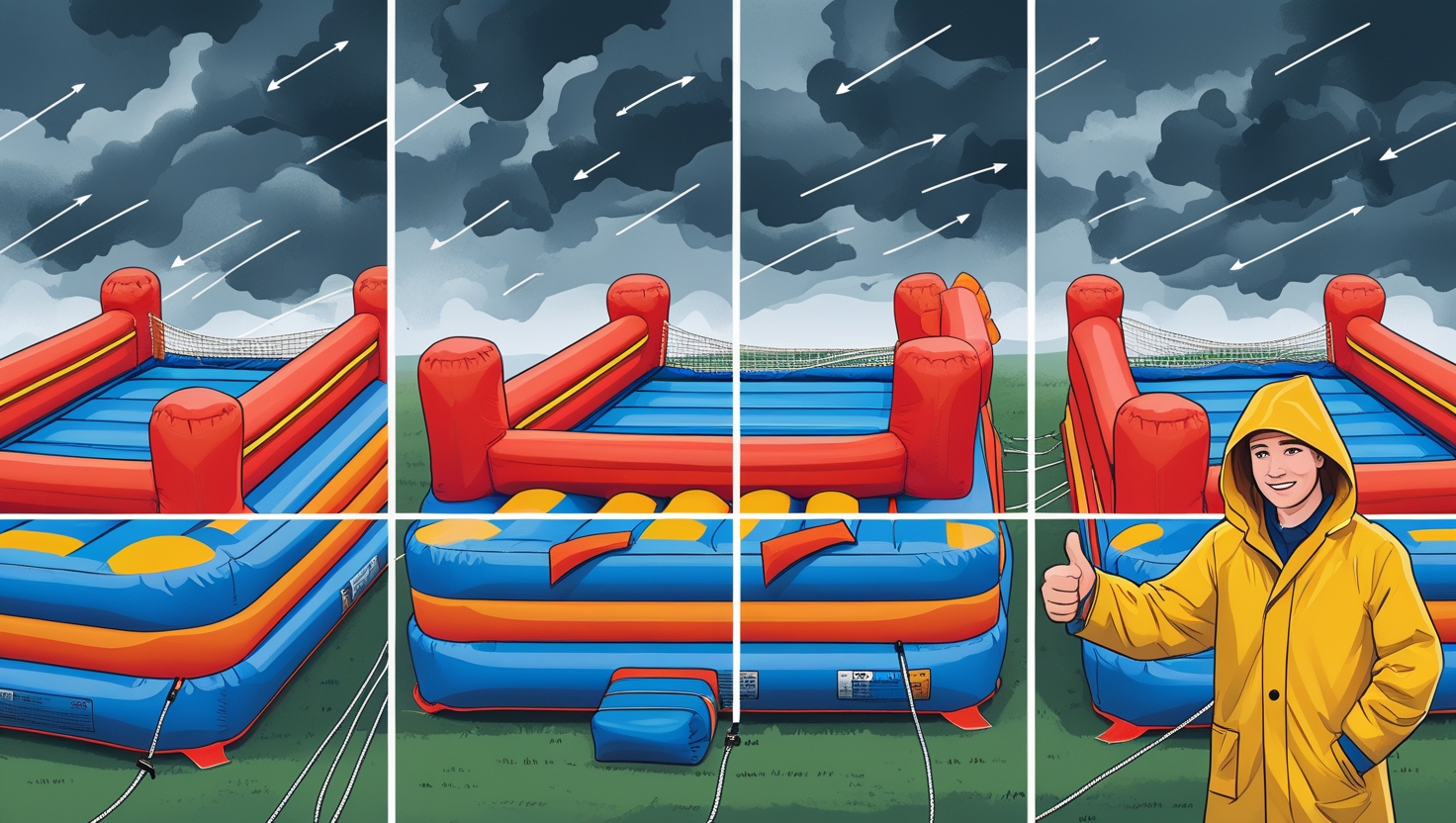
Wind can pose a significant threat to bouncy castles if appropriate precautions are not taken. When wind speeds increase, the large surface area of a bouncy castle can act like a sail, making it vulnerable to being lifted off the ground. This risk is particularly heightened in open spaces where there are no natural windbreaks.
Critical Wind Speed Thresholds
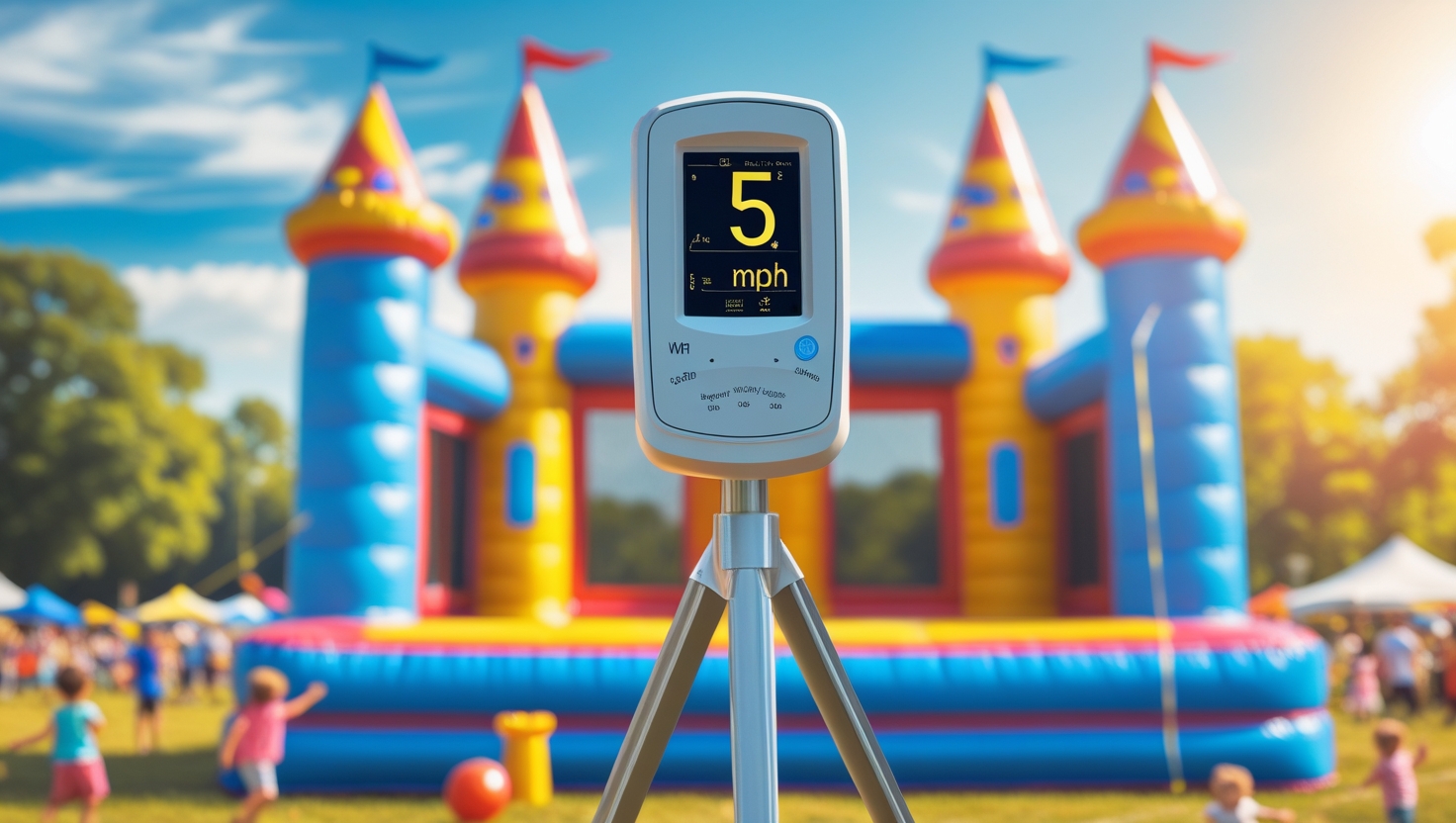
Safety guidelines indicate that bouncy castles should not be used when wind speeds exceed 20 miles per hour (32 kilometers per hour), including gusts. This threshold is based on extensive research and testing by safety organizations. Ignoring these limits can lead to catastrophic consequences, including injuries and property damage.
The Role of Improper Anchoring
Even under moderate wind conditions, improperly anchored bouncy castles are at risk of shifting or being blown away. Using inadequate or poorly secured anchors reduces the structure's stability, increasing the likelihood of accidents.

Best Practices for Securing Bouncy Castles
To minimize risks, adhering to industry standards and implementing robust safety measures is essential. Below, we outline key practices for securing bouncy castles effectively.
Use of Strong Anchors
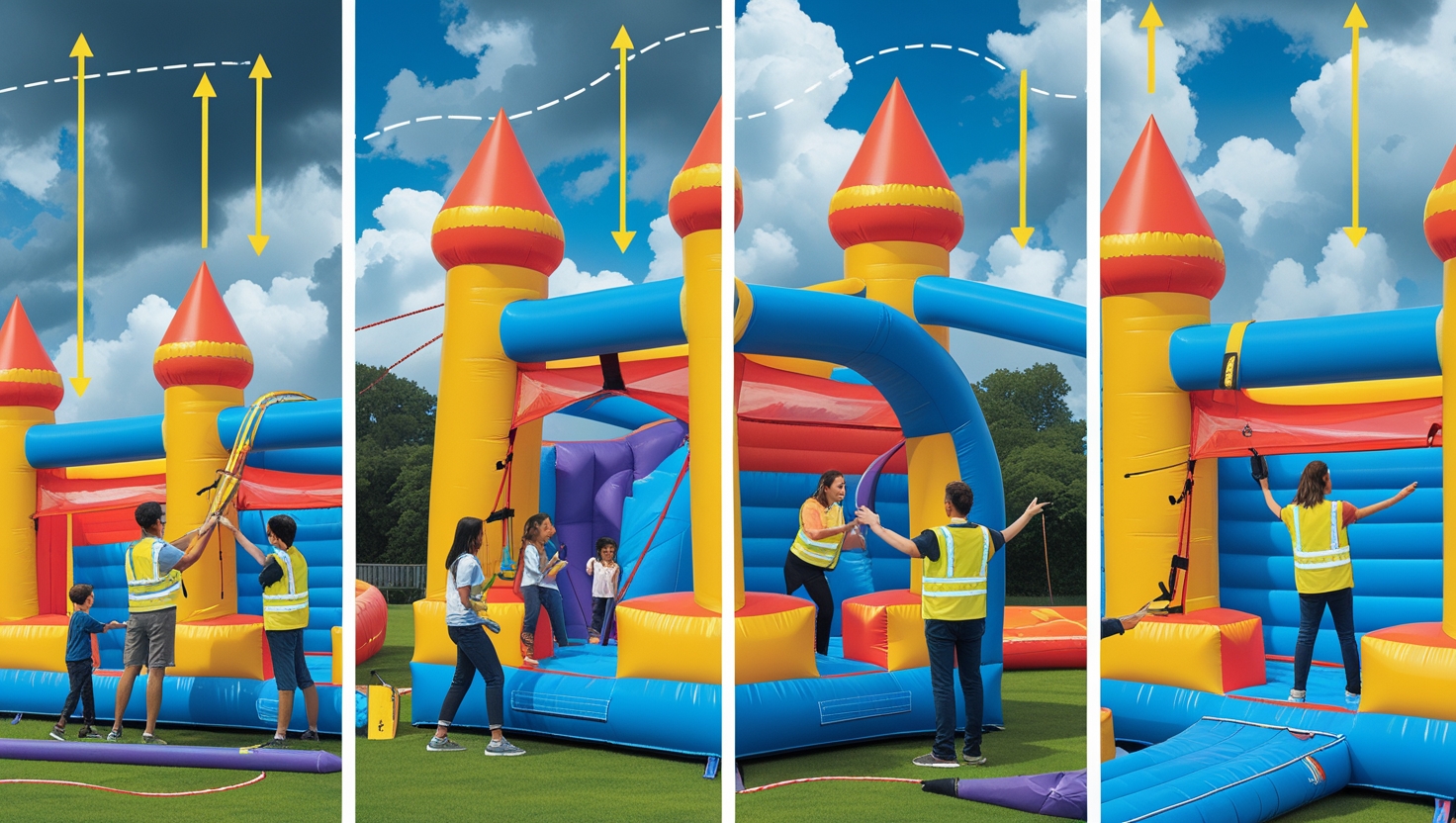
Anchoring a bouncy castle correctly is one of the most critical steps in ensuring safety. This involves:
Metal Stakes: Use steel stakes that are at least 16 inches long and have a diameter of 0.5 inches. Drive them into the ground at a 45-degree angle.
Weight Anchors: For installations on hard surfaces, use heavy sandbags, water barrels, or purpose-designed weight systems to secure the castle.
Checking Anchor Points: Regularly inspect all anchor points to ensure they remain firmly secured.
Regular Wind Monitoring
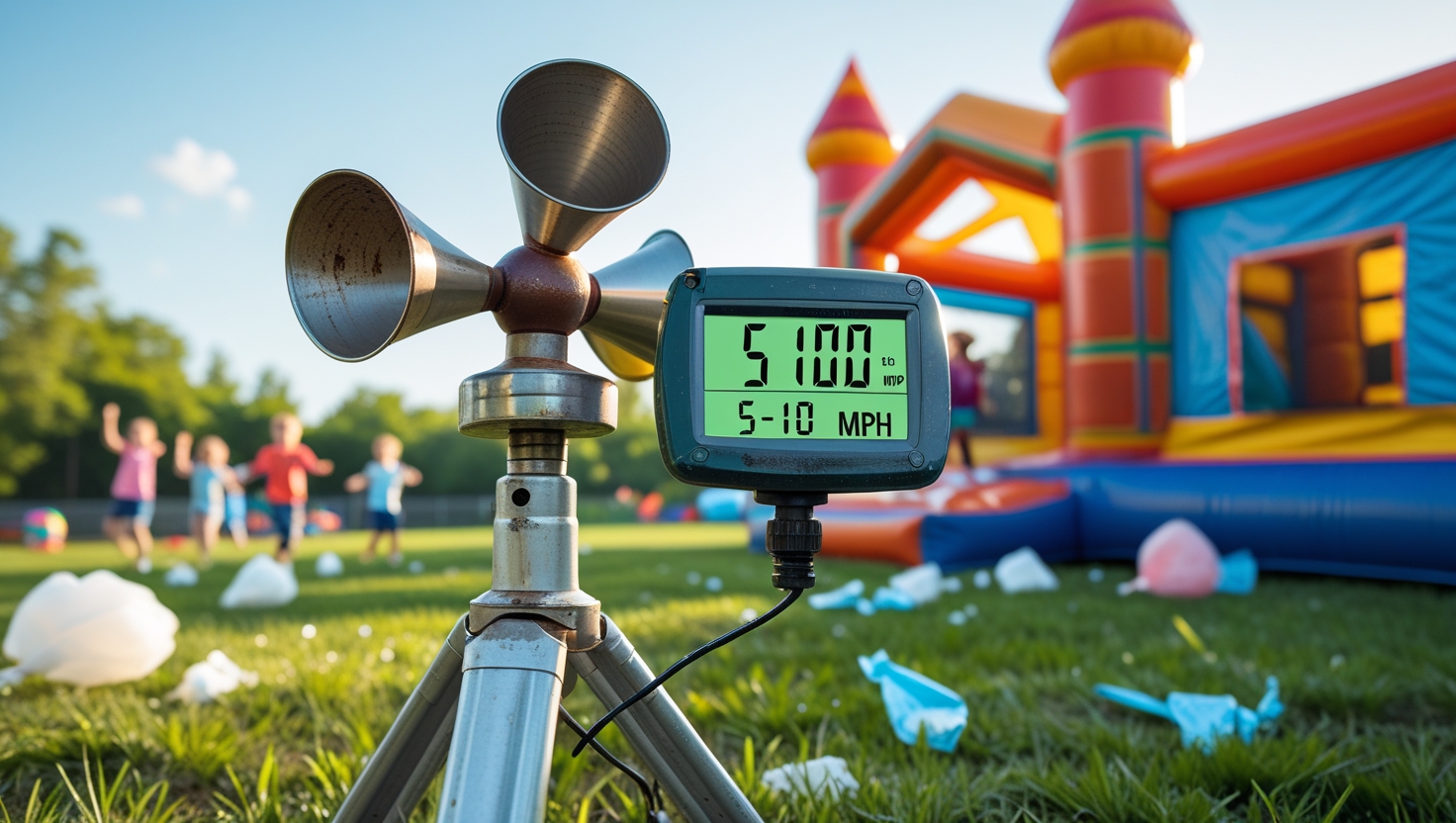
Monitoring wind conditions before and during the use of a bouncy castle is vital. Employ a reliable anemometer to measure wind speeds on-site. Discontinue use immediately if speeds approach or exceed the recommended threshold.
Proper Installation Practices
Ensure the bouncy castle is set up on flat, stable ground, free of sharp objects or debris. Maintain a clear perimeter of at least three feet around the structure to prevent accidental interference with anchor points.

Regulatory Compliance and Manufacturer Guidelines
Compliance with local regulations and adherence to the manufacturer’s instructions are fundamental in ensuring bouncy castle safety.
Manufacturer’s Instructions
Always follow the specific guidelines provided by the manufacturer regarding installation, anchoring, and maximum wind speeds. These instructions are tailored to the design and materials of the bouncy castle.
Local Safety Standards
Familiarize yourself with regional safety standards for inflatable play equipment. For example, the European Standard EN 14960 provides detailed requirements for the safe use of inflatables, including wind speed limits and anchoring specifications.
Real-Life Examples of Wind-Related Incidents
Tragic incidents involving bouncy castles being blown away serve as sobering reminders of the importance of safety. In several documented cases, failures to adhere to safety protocols have resulted in severe injuries and fatalities. By learning from these events, we can emphasize the necessity of preventive measures.
Case Studies
Incident in the UK (2016): A bouncy castle was lifted by strong gusts of wind, resulting in the death of a young child. Investigations revealed inadequate anchoring and disregard for weather conditions.
Australia (2021): High winds caused a bouncy castle to be blown into the air, leading to multiple injuries. Proper wind monitoring and anchoring could have prevented the tragedy.
Steps to Take in Case of Sudden Wind Gusts
Despite taking all precautions, weather conditions can change rapidly. Here’s what to do if unexpected wind gusts occur:
Evacuate Immediately: Ensure all occupants exit the bouncy castle quickly and safely.
Secure the Structure: Reinforce anchors or deflate the castle to reduce wind resistance.
Monitor the Weather: Wait until conditions stabilize before considering re-use.

Importance of Supervision and Professional Setup
Having trained personnel supervise bouncy castle use is essential. Professional operators are experienced in:
Identifying and mitigating risks
Ensuring proper installation and anchoring
Responding quickly to changing conditions
Hiring professionals to manage bouncy castles can significantly reduce the likelihood of accidents.

Conclusion: Prioritizing Safety Above All
While bouncy castles are a source of joy and entertainment, their safe operation must remain a top priority. By understanding the risks posed by wind, adhering to best practices, and ensuring compliance with regulations, we can prevent avoidable accidents. Whether you are a parent, event organizer, or operator, taking proactive measures to secure bouncy castles ensures a safe and enjoyable experience for everyone involved.