All you want to know about us
Click here to share this article
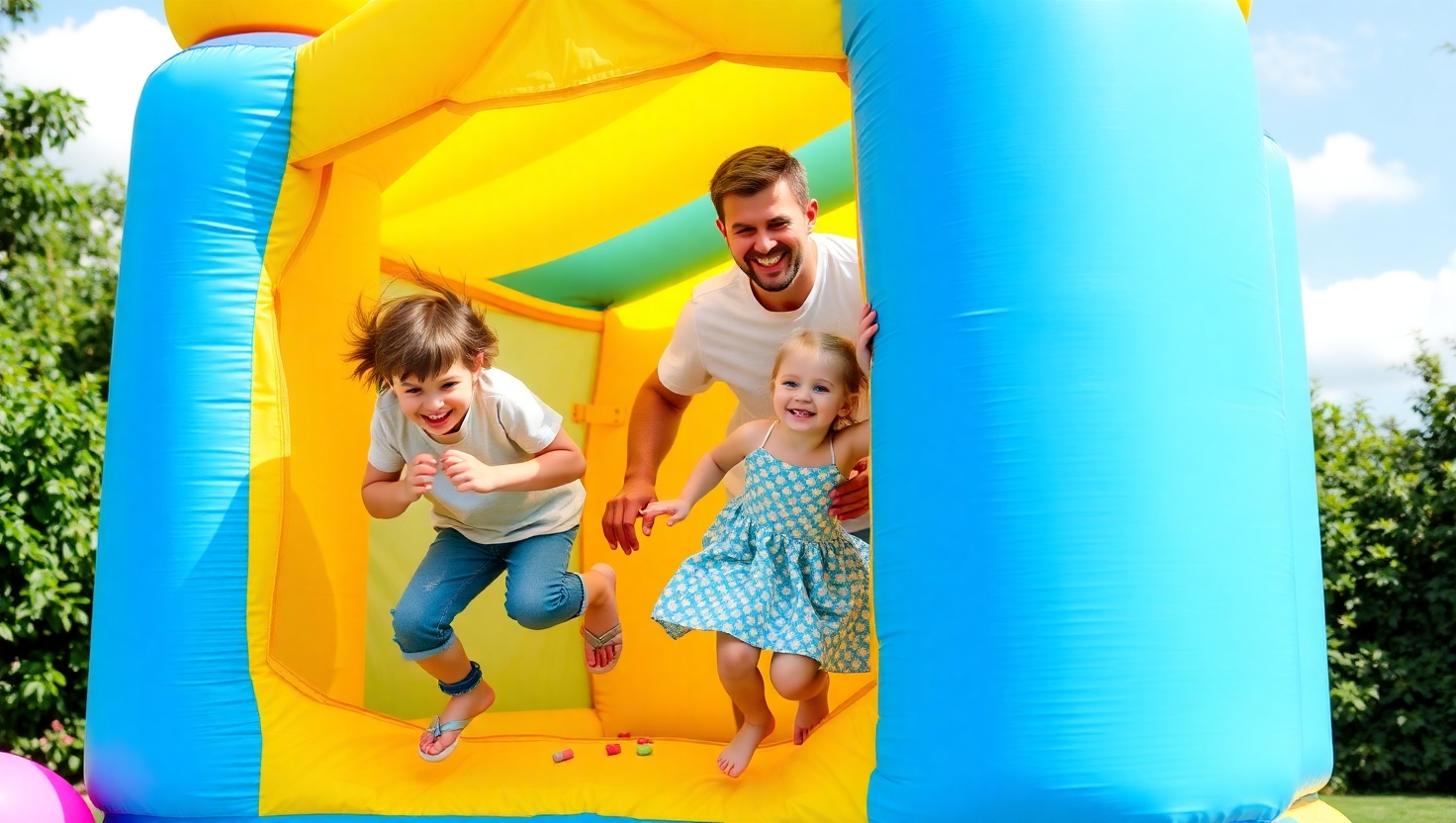
Bouncy castles, also known as inflatable castles, are a staple of children’s entertainment at events, parties, and fairs worldwide. Their vibrant colors and fun-filled design make them a popular choice for keeping children engaged and active. However, while they provide immense joy, they also pose certain risks. The safety of bouncy castles has been called into question over the years, especially concerning the number of accidents associated with their use. In this article, we delve into the statistics, causes, and preventive measures related to bouncy castle accidents to shed light on this important topic.
Statistics on Bouncy Castle Accidents
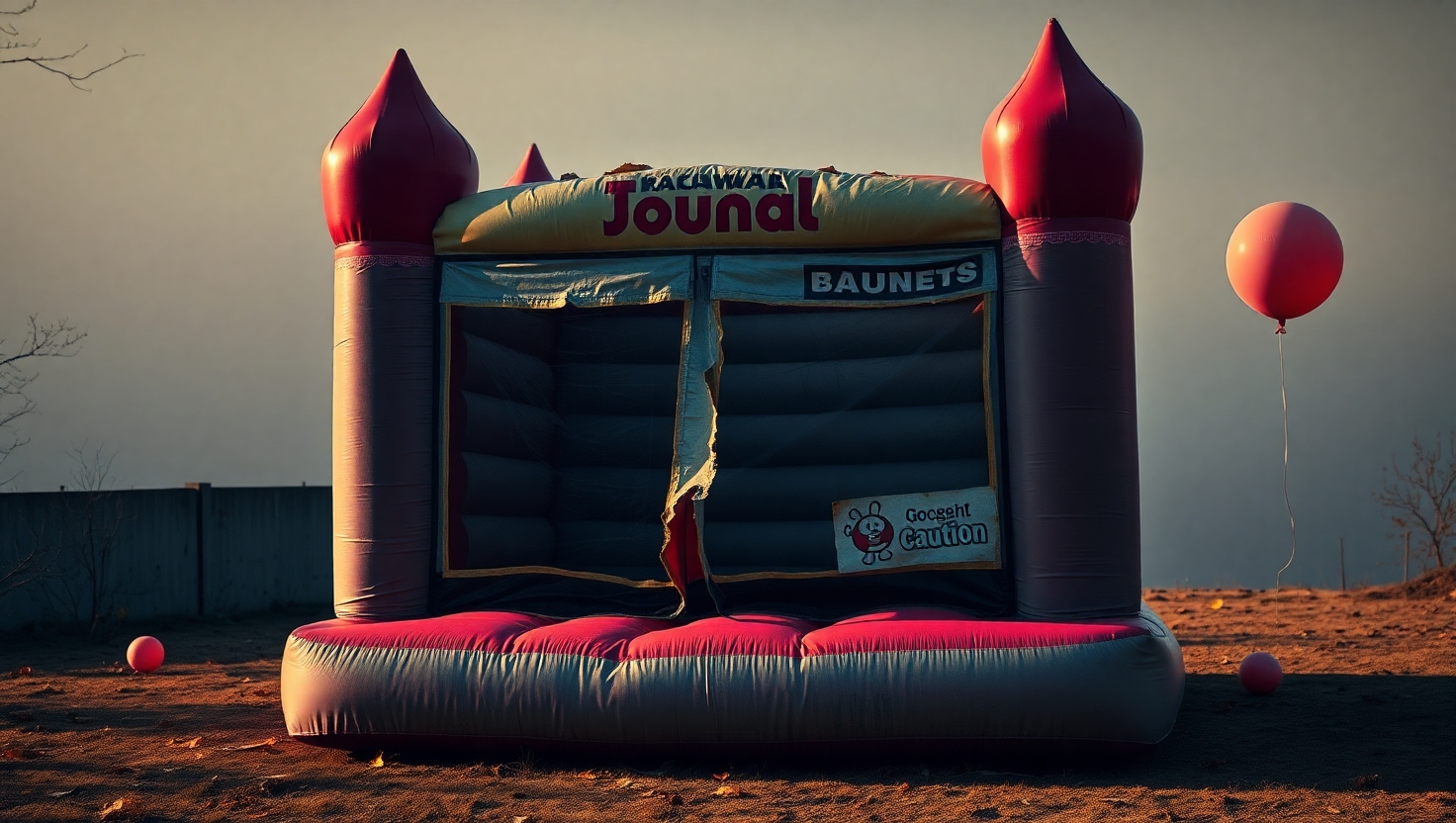
The number of bouncy castle-related accidents has been steadily documented in many countries. For example, in the United States, the Consumer Product Safety Commission (CPSC) has reported that thousands of injuries occur annually due to inflatable play equipment. Similarly, studies in the United Kingdom have shown a rise in such incidents, with hospitals reporting numerous admissions each year.
United States: Between 10,000 to 15,000 bouncy castle-related injuries are treated in emergency rooms annually. A significant proportion of these involve children under the age of 15.
United Kingdom: Reports from safety organizations indicate that an average of 20-30 serious injuries occur each year, with additional cases of minor injuries.
Australia: Data from Australian emergency departments highlights around 500 injuries per year involving inflatable equipment.
These statistics emphasize the importance of understanding the factors contributing to these accidents and implementing effective safety measures.

Common Causes of Bouncy Castle Accidents
While bouncy castles are designed for fun, several factors can lead to accidents. Below are the most common causes:
1. Overcrowding
Overcrowding is one of the leading causes of accidents on bouncy castles. Exceeding the recommended capacity increases the likelihood of collisions, falls, and injuries. Children of varying sizes and ages playing together can also contribute to uneven weight distribution, causing instability.
2. Inadequate Supervision
Accidents are more likely to occur when proper supervision is lacking. Children may engage in risky behavior, such as flipping, pushing, or climbing the sides, which can lead to falls or other injuries.
3. Poor Weather Conditions
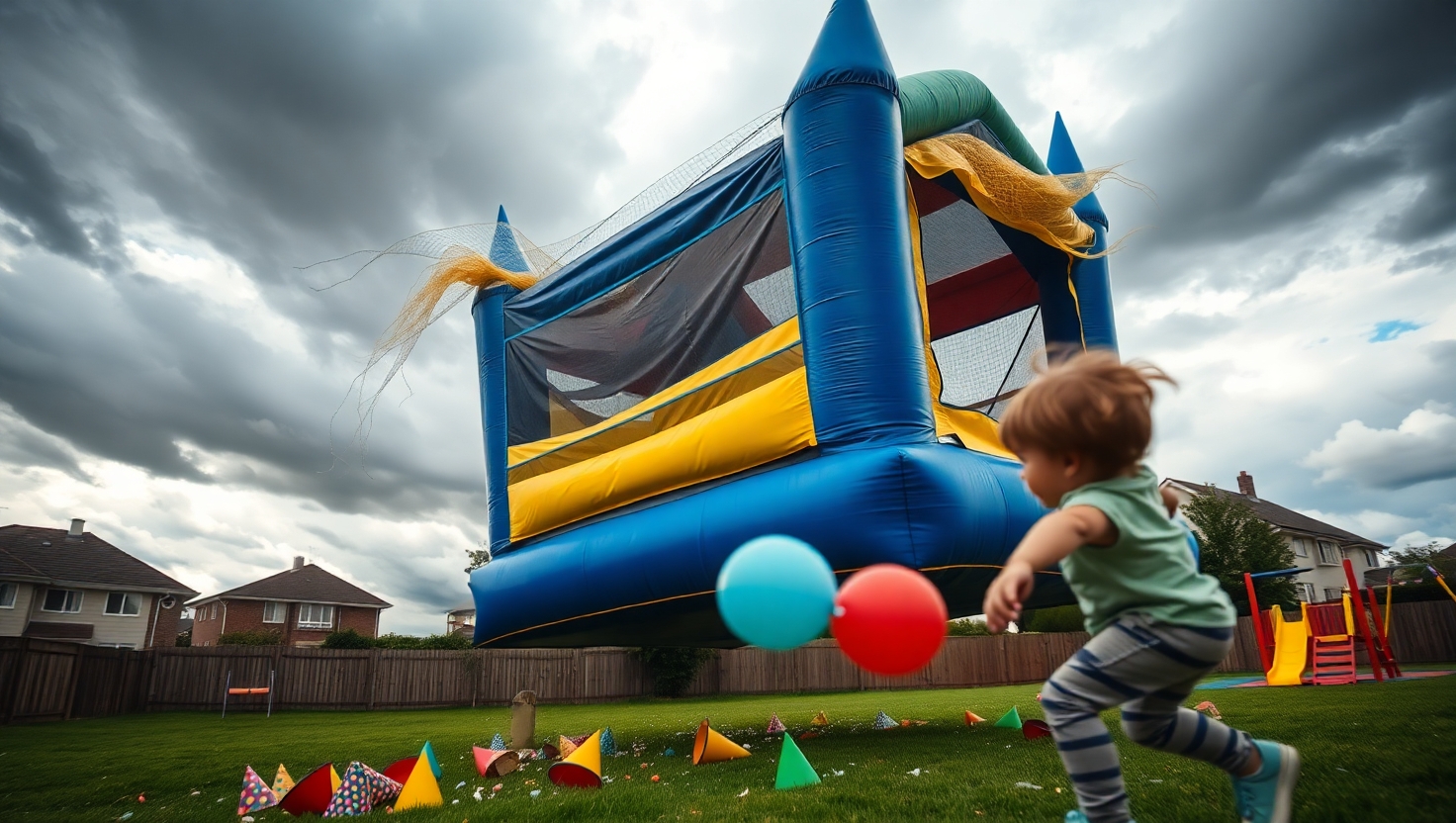
Adverse weather conditions, especially strong winds, pose a significant risk. Several high-profile accidents have occurred due to bouncy castles being lifted off the ground by wind gusts. For example, a tragic incident in 2021 in Tasmania, Australia, resulted in the loss of multiple young lives when a bouncy castle was swept into the air.
4. Improper Installation
Improper anchoring or setup of bouncy castles can lead to structural instability. Failing to secure the inflatable to the ground using appropriate anchors increases the likelihood of tipping or being moved by wind.
5. Defective Equipment
Wear and tear, punctures, or poorly maintained inflatables can lead to sudden deflation or collapse. Equipment that does not meet safety standards can further exacerbate the risk of accidents.
6. Age-Inappropriate Usage
Allowing older children or adults to use bouncy castles designed for smaller kids can create unsafe conditions. Similarly, toddlers playing on inflatables with older children are at greater risk of injury due to differences in size and strength.

Types of Injuries Associated with Bouncy Castles
The nature of injuries caused by bouncy castles varies widely, ranging from minor bruises to severe trauma. The most commonly reported injuries include:
Fractures and Sprains: These are among the most frequent injuries, often caused by falls or collisions.
Head Injuries: Concussions or other head traumas can occur when a child falls awkwardly or collides with another participant.
Cuts and Abrasions: Contact with sharp edges or seams on poorly maintained equipment can cause minor injuries.
Neck and Back Injuries: Sudden, awkward movements during play can result in strains or more serious spinal injuries.
Asphyxiation Risks: Although rare, suffocation can occur if a bouncy castle deflates unexpectedly while children are inside.
High-Profile Incidents and Their Impact
Several tragic incidents have brought international attention to the safety of bouncy castles:
Harlow, UK (2016): A young girl lost her life when a bouncy castle became unmoored and was carried away by strong winds.
Tasmania, Australia (2021): A freak windstorm caused a bouncy castle to lift into the air, resulting in multiple fatalities and serious injuries.
China (2019): A bouncy castle accident during a sudden windstorm left two children dead and several others injured.
These incidents underscore the need for stringent safety protocols and regulatory oversight.
Safety Regulations and Guidelines
To mitigate the risks associated with bouncy castles, governments and safety organizations worldwide have established guidelines. Key recommendations include:
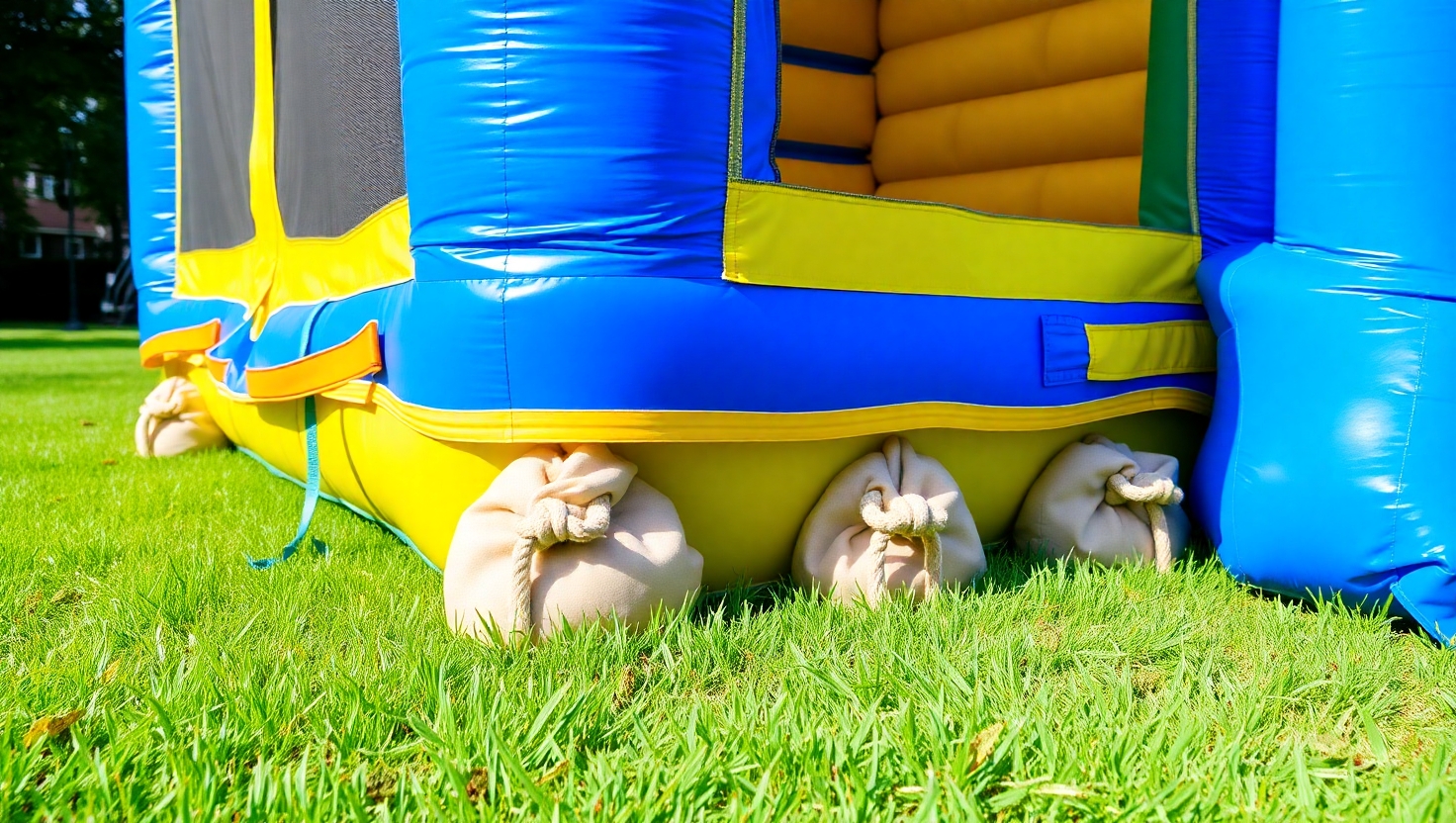
Anchoring: All bouncy castles must be securely anchored to the ground with heavy-duty stakes or sandbags.
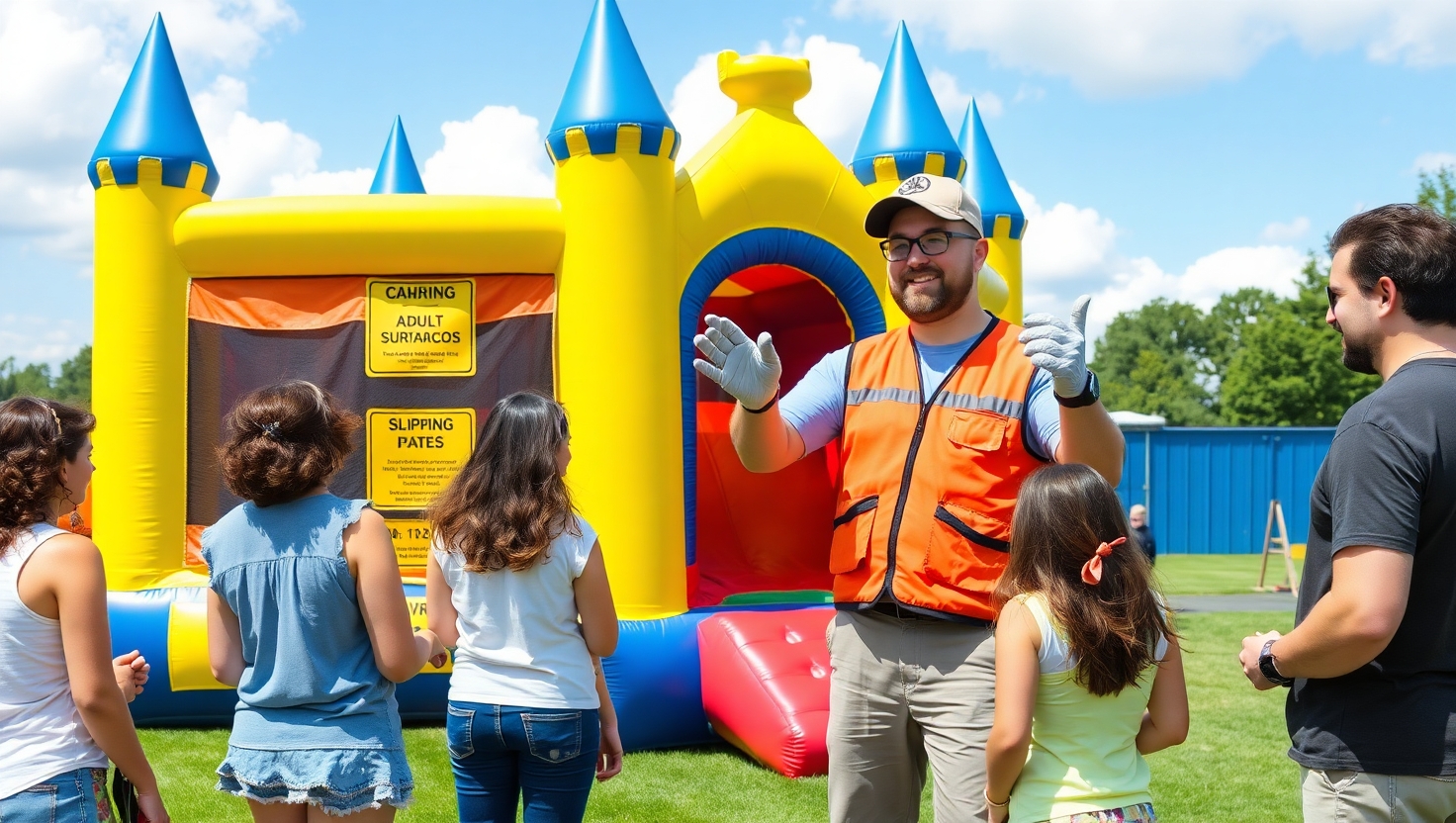
Supervision: Trained adults should supervise children at all times to enforce safe play practices.
Capacity Limits: Follow the manufacturer’s guidelines on the maximum number of participants and ensure age-appropriate grouping.
Weather Precautions: Avoid using inflatables in windy or stormy conditions. Wind speeds above 20-25 mph are particularly hazardous.
Regular Inspections: Ensure equipment is inspected regularly for wear and tear, and always comply with local safety standards.
Qualified Operators: Hire certified operators for events to ensure proper installation and monitoring of the equipment.
Preventing Bouncy Castle Accidents
By following safety precautions, the risk of bouncy castle accidents can be significantly reduced. Here are some actionable steps:
Choose Reputable Vendors: Only rent bouncy castles from licensed and insured providers who adhere to safety regulations.
Conduct Site Assessments: Before installation, assess the area to ensure it is free from hazards like sharp objects, uneven terrain, or overhead obstacles.
Educate Participants: Brief children on safe play behavior, including no roughhousing, flips, or pushing.
Monitor Weather Conditions: Always check weather forecasts before setting up a bouncy castle, and discontinue use if adverse conditions arise.
Adhere to Weight Limits: Enforce strict adherence to capacity limits and separate younger children from older ones.
Conclusion
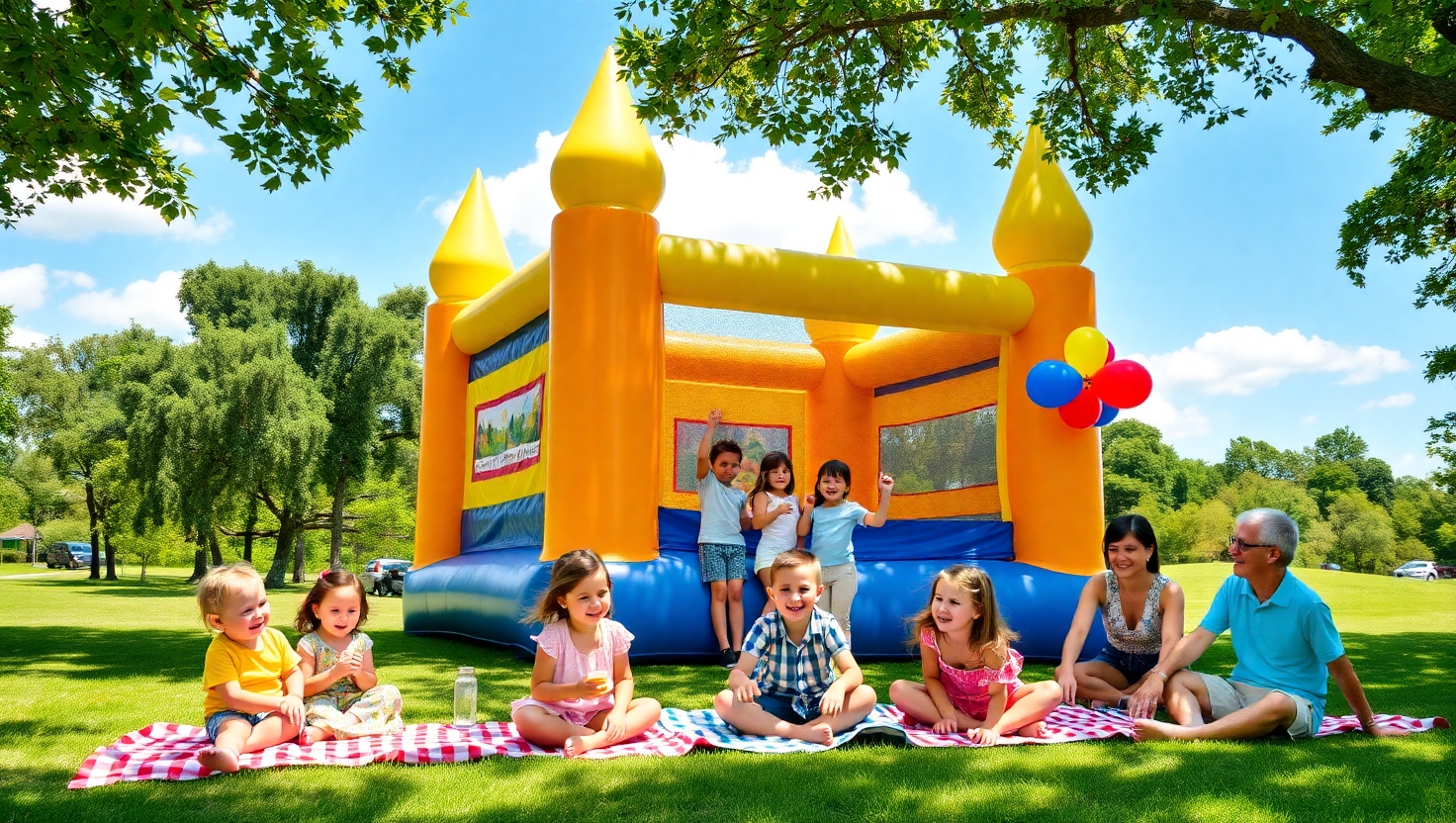
While bouncy castles offer endless entertainment, they are not without risks. By understanding the common causes of accidents, the types of injuries that can occur, and the measures required to ensure safety, we can reduce the likelihood of unfortunate incidents. Whether hosting a private party or a large public event, prioritizing safety is key to creating a secure and enjoyable experience for all participants.
By adhering to best practices and raising awareness of the potential hazards, we can make bouncy castles a safer source of fun for children everywhere.