All you want to know about us
Click here to share this article
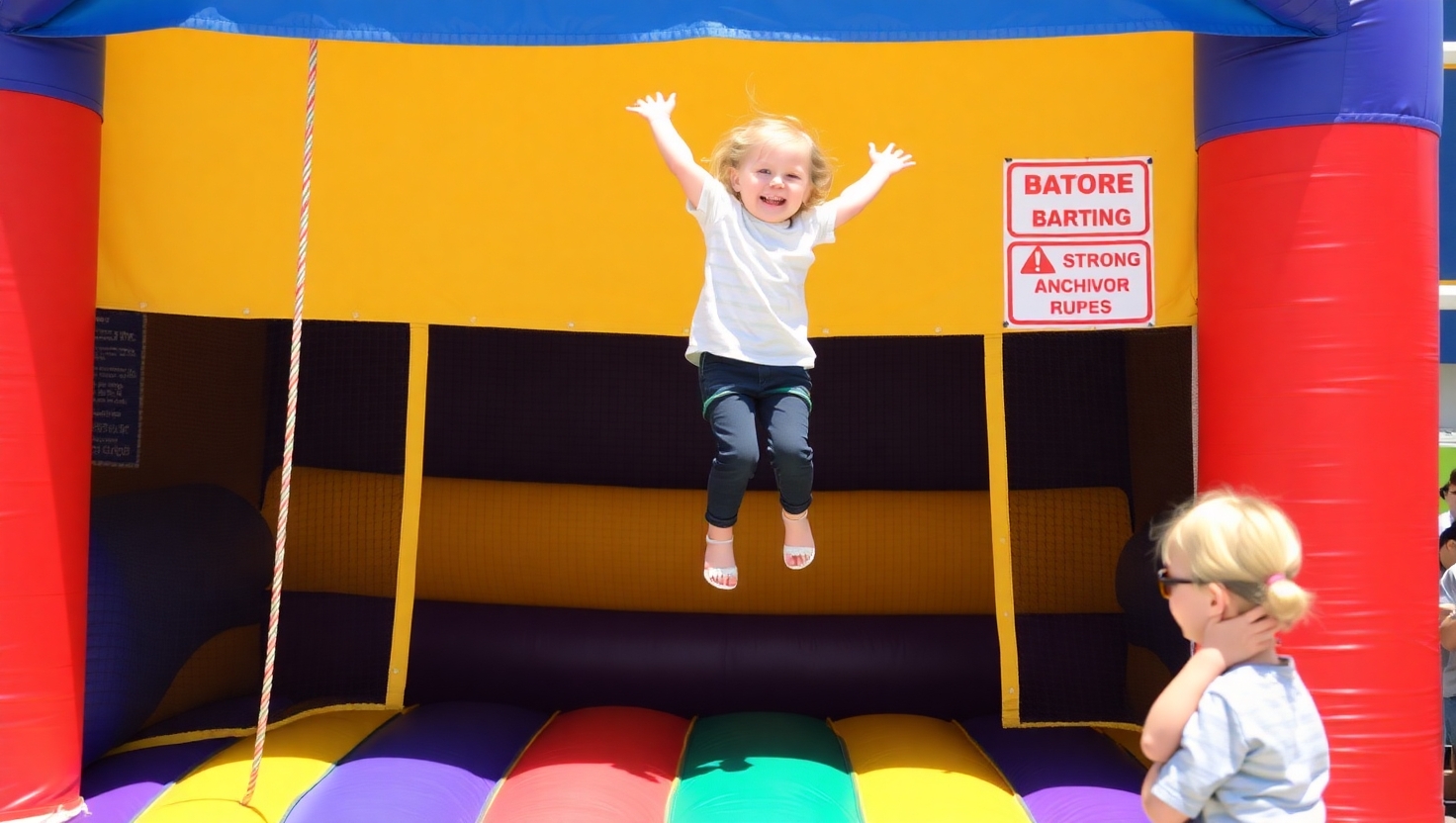
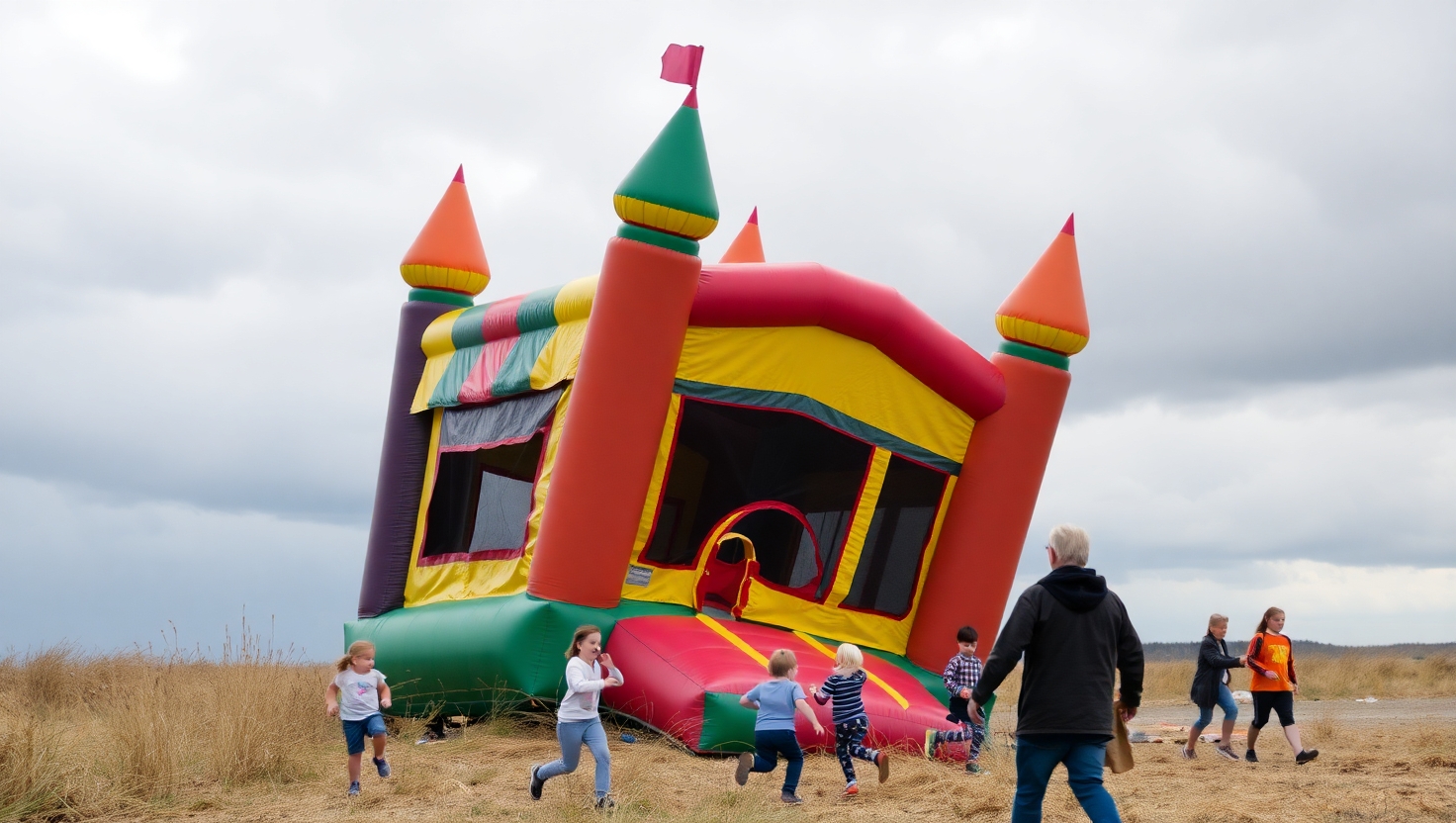
Bouncy castles provide hours of entertainment for children and adults alike, but when strong winds strike, these inflatable structures can become airborne, leading to dangerous consequences. Over the years, numerous incidents have been reported where bouncy castles have been blown away, resulting in injuries and fatalities. In this article, we explore the risks, documented cases, safety regulations, and preventive measures related to bouncy castles being carried away by wind.
The Dangers of Bouncy Castles in Strong Winds
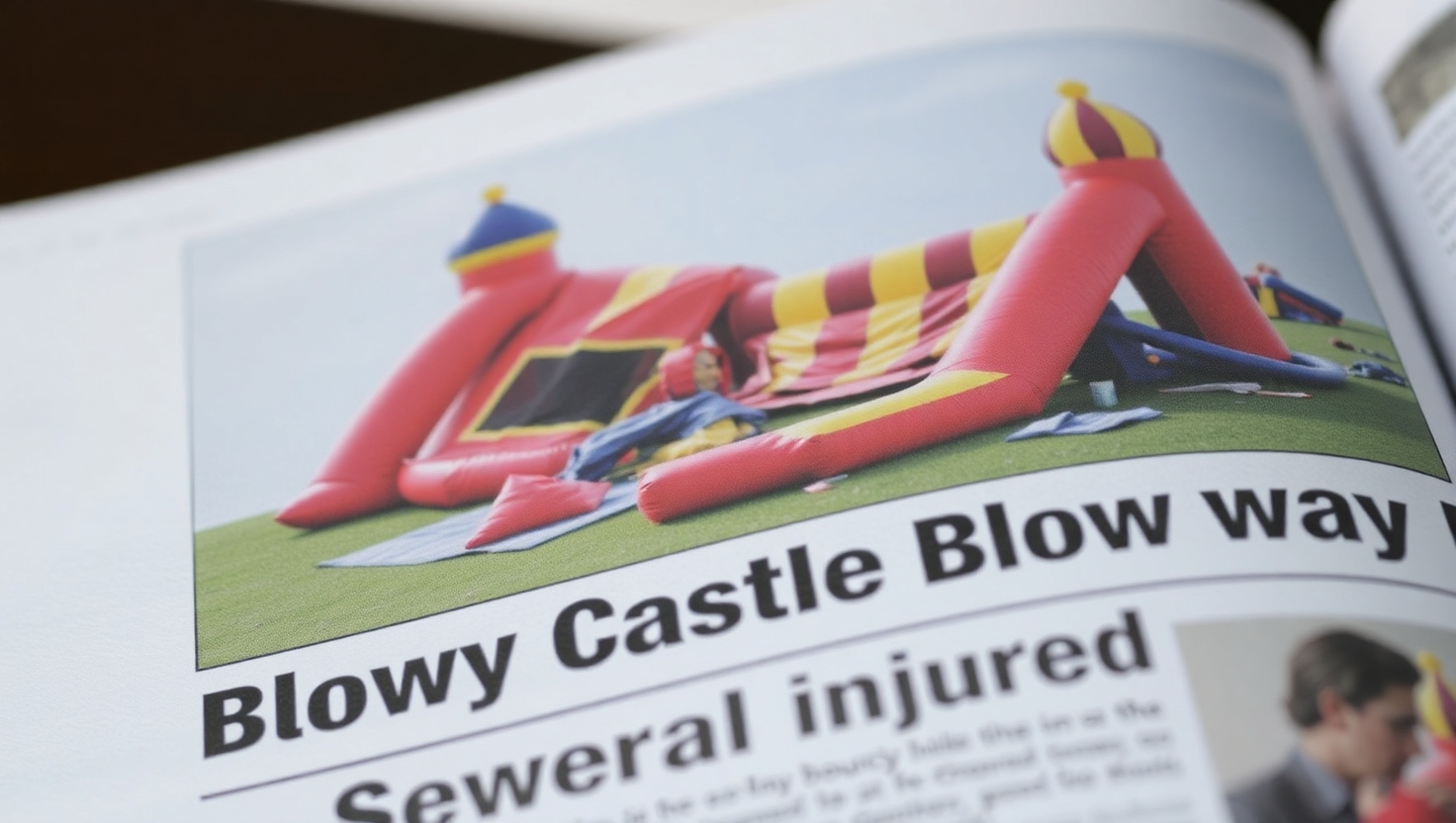
Bouncy castles are lightweight and rely on air pressure to maintain their shape. When improperly secured, they can become hazardous in gusty conditions. Wind speeds as low as 20 mph can pose a serious threat, while speeds exceeding 25 mph significantly increase the likelihood of lift-off. The combination of insufficient anchoring, poor weather conditions, and lack of oversight has contributed to multiple accidents worldwide.

Documented Incidents of Bouncy Castles Being Blown Away
1. Harlow, UK (2016)
In one of the most tragic cases, a seven-year-old girl lost her life when a bouncy castle was lifted by strong winds at Harlow Town Park. Investigations revealed that the inflatable was not properly secured, and the operators were later sentenced for manslaughter by gross negligence.
2. Norfolk, UK (2018)
During an Easter fair, a young girl sustained fatal injuries when a bouncy castle was swept away by a strong gust of wind. Witnesses reported seeing the structure rise several feet in the air before crashing down. The incident led to renewed scrutiny of safety regulations surrounding inflatable attractions.
3. Zaragoza, Spain (2019)
In Zaragoza, an improperly secured inflatable castle was lifted into the air, resulting in seven children suffering injuries, including fractures and head trauma. The event sparked discussions about the need for stringent safety inspections before allowing such structures to operate.
4. Australia (2021)
A heartbreaking incident in Tasmania saw a bouncy castle lifted more than 30 feet into the air, leading to the deaths of six children. Strong winds during a school event caused the tragedy, emphasizing the need for strict wind monitoring protocols.
5. Florida, USA (2023)
In a terrifying moment captured on video, a bouncy castle at a birthday party was caught in an unexpected wind gust, carrying it over 100 feet before slamming into a fence. Thankfully, no fatalities were reported, but several children suffered minor injuries.

Why Do Bouncy Castles Get Blown Away?
1. Inadequate Anchoring
Many incidents occur due to improper securing of the inflatable structure. Safety standards require a minimum number of anchor points, typically around six to ten, with metal stakes driven into the ground.
2. Underestimation of Wind Speeds
Organizers sometimes fail to monitor weather conditions before setting up inflatables. Even light breezes can quickly escalate, creating a dangerous situation.
3. Poor Operator Training
Lack of proper training for those setting up and overseeing bouncy castles contributes to negligence. Certified operators should be aware of wind limits and safety guidelines.
4. Lack of Supervision
Leaving bouncy castles unattended increases the risk of accidents. A responsible adult should always monitor children and inspect securing points periodically.
Safety Guidelines for Preventing Bouncy Castle Accidents
1. Adhering to Wind Speed Limits
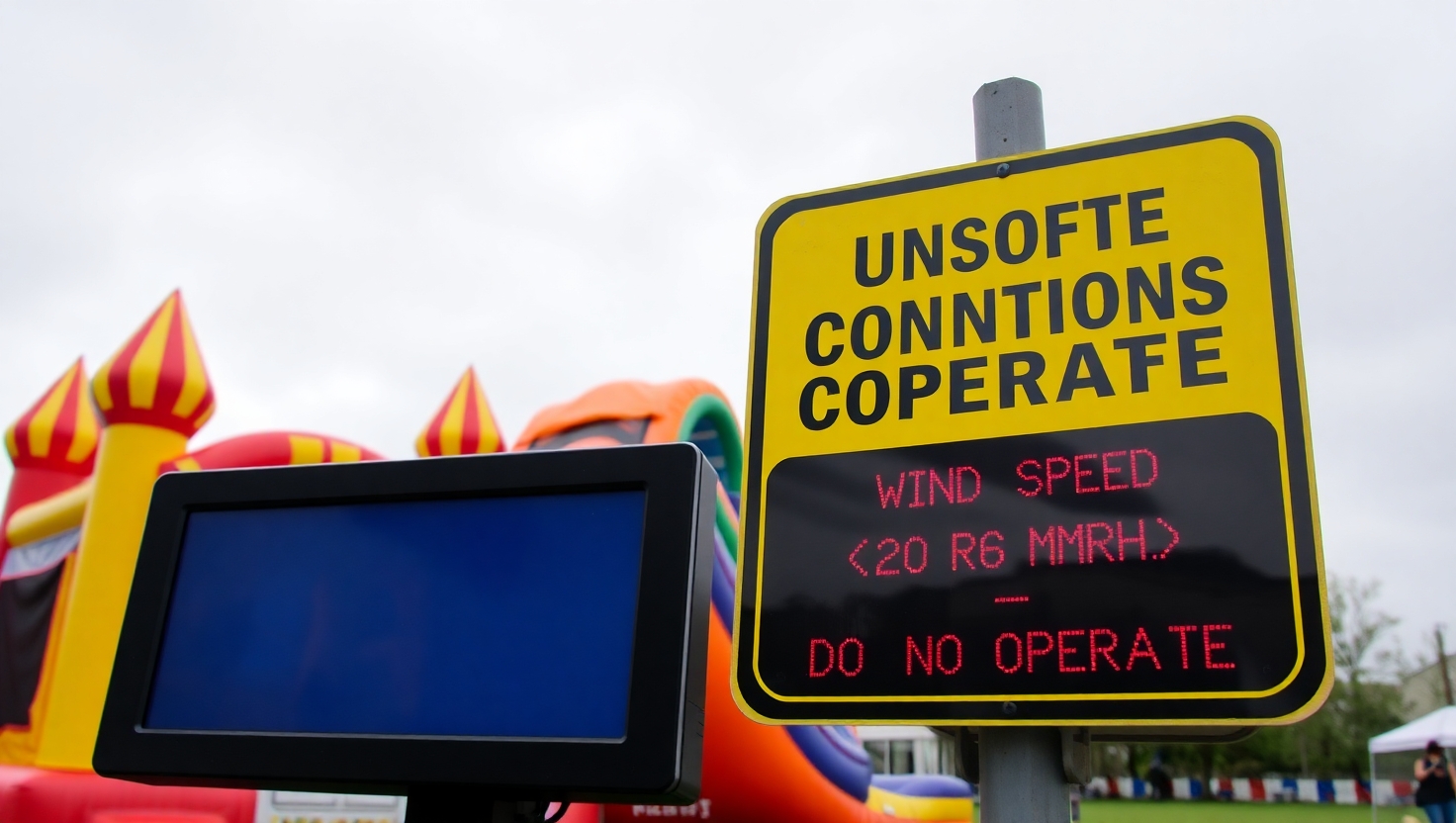
According to safety experts, bouncy castles should be deflated if wind speeds exceed 24 mph. Always check forecasts and use a wind meter for real-time monitoring.
2. Properly Securing the Structure
Use long metal stakes (at least 16 inches) driven at a 45-degree angle into the ground.
Secure all anchor points using heavy-duty ropes or straps.
For indoor use or hard surfaces, use sandbags or water weights.
3. Ensuring Adequate Supervision
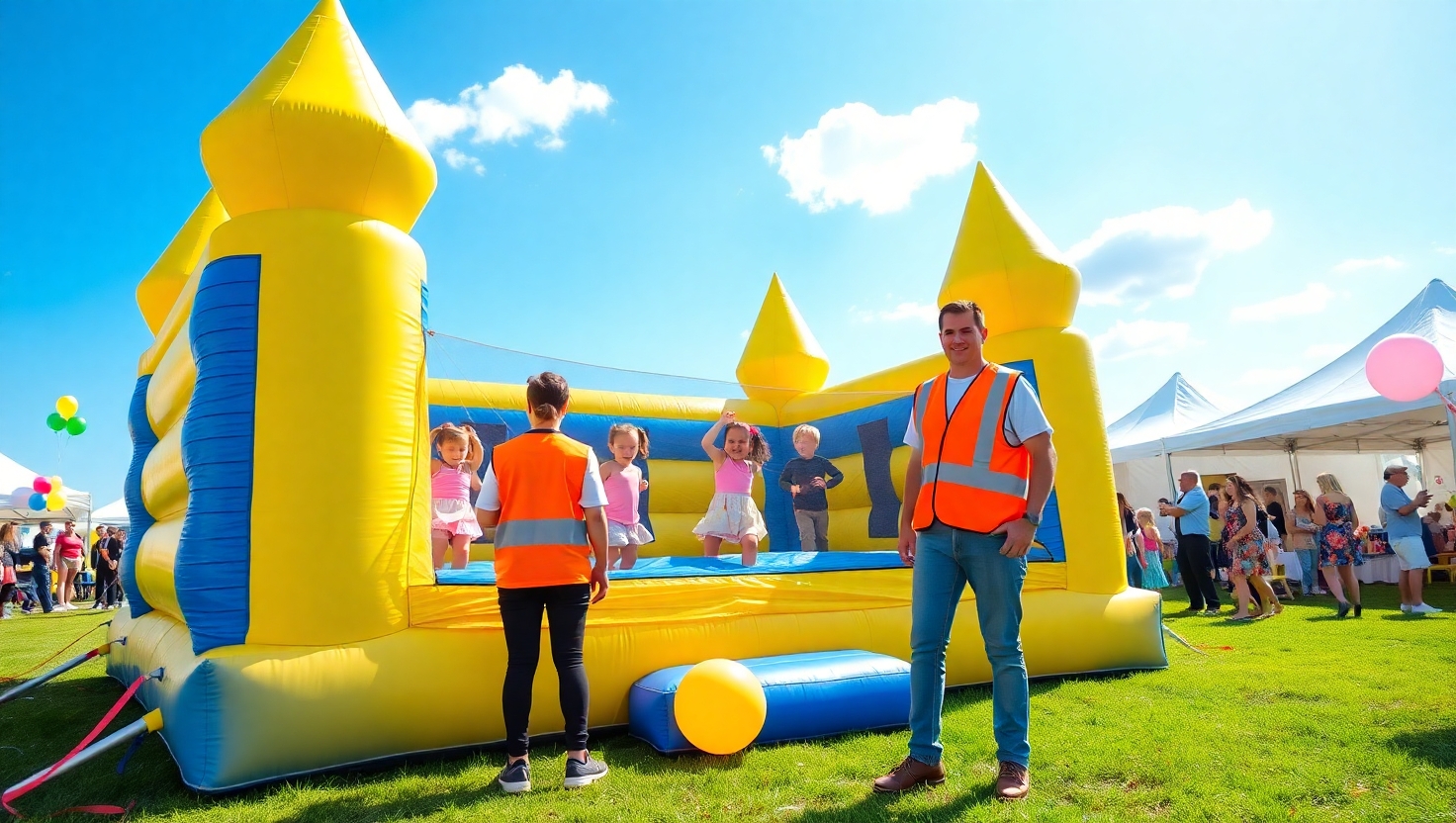
A dedicated attendant should be present at all times to:
Check for any loosening of anchor points.
Monitor children’s activity and prevent overcrowding.
Enforce rules such as no flips, no shoes, and no rough play.
4. Regular Safety Inspections
Before use, inspect the inflatable for:
Leaks, punctures, or weak seams.
Proper inflation levels to ensure stability.
Securing points to confirm they are firmly anchored.
5. Compliance with Local Regulations
Different regions have specific safety standards for inflatables. Ensure compliance with guidelines from:
The Health and Safety Executive (HSE) in the UK
The Consumer Product Safety Commission (CPSC) in the USA
SafeWork Australia for Australian regulations
The Future of Bouncy Castle Safety
As inflatable attractions continue to be a popular feature at events, the need for stricter regulations and enhanced safety measures becomes increasingly evident. Many countries are now implementing mandatory wind speed monitoring, stricter anchoring requirements, and operator certification programs. Emerging technologies such as automatic deflation mechanisms in high winds could also play a crucial role in preventing future tragedies.
Final Thoughts
Bouncy castles are a source of joy, but their safety should never be compromised. The unfortunate incidents of inflatables being blown away serve as a stark reminder that proper setup, constant supervision, and adherence to weather conditions are non-negotiable. By following best practices and staying informed, we can ensure that these attractions remain safe for everyone.